Government Shutdown Imperils SNAP Benefits for Millions: Urgent Action Needed to Avert Crisis
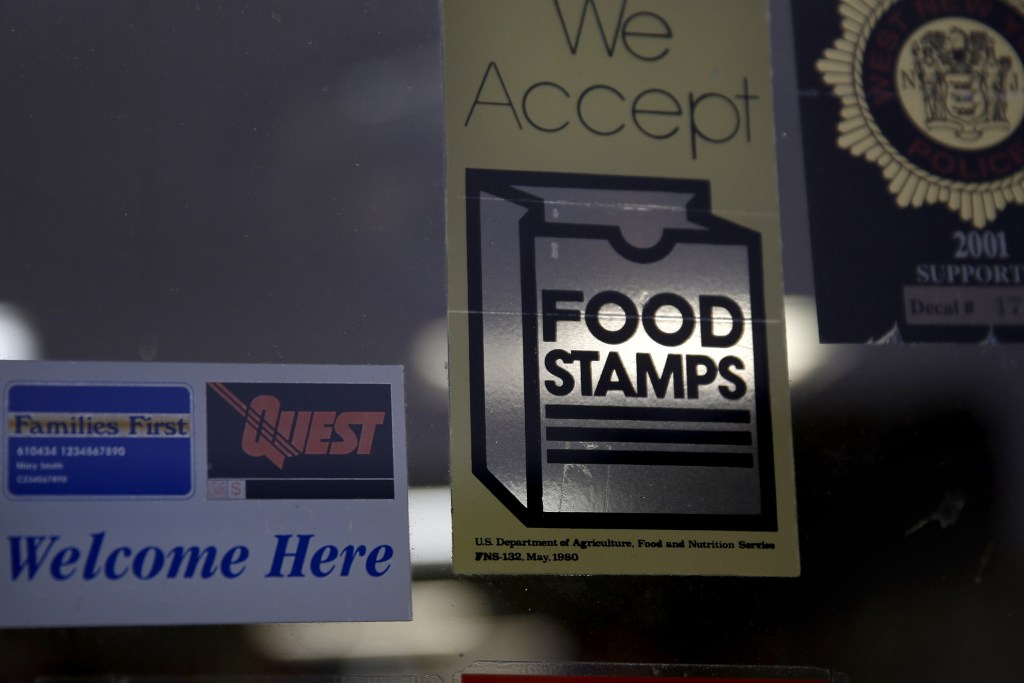
The looming government shutdown threatens to impact millions of individuals who rely on food assistance benefits if a resolution is not reached by November 1. The Supplemental Nutrition Assistance Program (SNAP), commonly known as "food stamps," is at risk of running out of government funding by the end of October if the shutdown persists. Secretary of Agriculture Brooke Rollins has raised concerns about the potential consequences for vulnerable families who depend on these programs.
According to reports, 25 states have informed SNAP recipients that they may not receive food aid benefits in November, including states like California and New Jersey. Last year, nearly 42 million people in the U.S. received SNAP benefits, with an average monthly distribution of $187.20. The program requires government funding to continue providing assistance to those in need.
Rollins emphasized the importance of reopening the government to ensure the continuation of SNAP benefits for low-income households. She expressed optimism that the government would resume operations by November 1 to facilitate the distribution of funds. However, some states, like Massachusetts, are already preparing to cut off SNAP benefits due to the lack of federal funding.
Governor Maura Healey of Massachusetts criticized President Donald Trump for cutting off SNAP benefits, highlighting the disparity between state and federal funding levels. The U.S. Department of Agriculture warned of a critical juncture if the shutdown persists, urging Senate Democrats to prioritize the needs of Americans who rely on programs like SNAP and WIC over other political considerations.
In conclusion, the government shutdown poses a significant threat to the stability of food assistance programs like SNAP, potentially leaving millions of vulnerable families without access to essential benefits. The urgency of resolving the shutdown to ensure the continuity of these programs cannot be overstated, as the impact on individuals and communities across the country is substantial.