Beef Import Debate: Challenges and Concerns for U.S. Cattle Ranchers
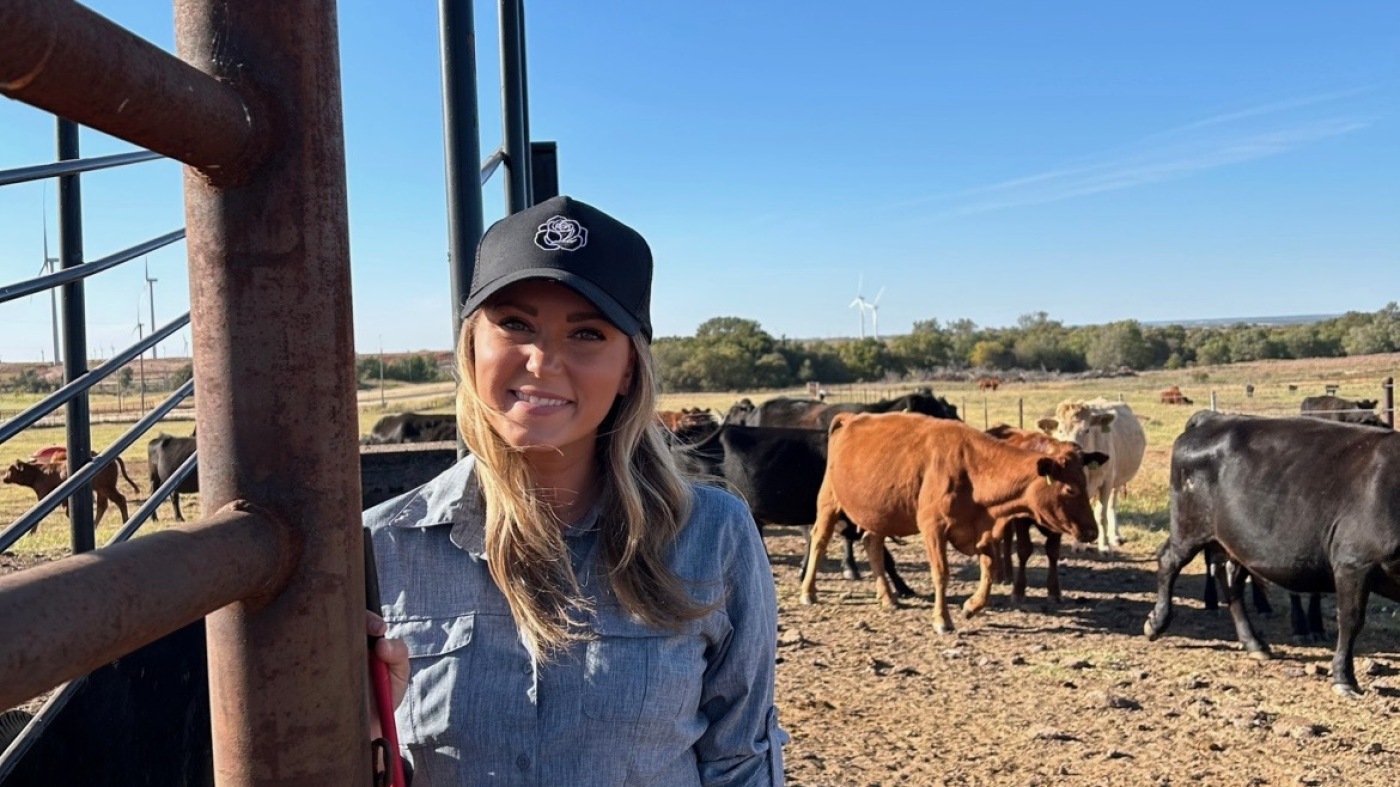
This year, a cattle rancher named Destinee Weeks and her husband, who manage a herd in northern Oklahoma, were finally seeing a profit after a decade of struggling. However, their joy turned to dismay when they learned that President Trump was considering importing more beef from Argentina. This move was met with opposition from American cattle ranchers and agricultural groups who argued that it would harm domestic ranchers. Despite the backlash, the White House confirmed plans to increase the tariff-rate quota for beef imports from Argentina, leading to concerns within the industry.
The U.S. cattle inventory is currently at its lowest levels in decades due to factors like drought and rising operational costs, forcing many ranchers to reduce their herds. While beef prices have been on the rise in the U.S., some ranchers have managed to find a path to recovery. However, the dominance of four meatpacking firms controlling over 80% of U.S. beef processing has also been a significant factor in shaping beef prices, according to industry experts.
The issue of fixing beef prices recently came to light when two major meatpacking companies, Tyson Foods and Cargill, agreed to pay a substantial settlement in a class-action lawsuit. This development has led to calls for reform in the cattle market, with some ranchers expressing skepticism about the impact of importing more beef on lowering prices. Despite the U.S. already importing a significant amount of beef from other countries, experts believe that foreign supply may not be sufficient to meet the high demand for beef in the U.S.
While the USDA has outlined plans to support the domestic cattle industry, some farmers remain wary of the potential consequences of increased beef imports. John Boyd Jr., a cattle and crop farmer from Virginia, expressed concerns about the impact of trade policies on his farming operations. He, along with other ranchers, emphasized the importance of prioritizing domestic producers and supporting the American beef industry.
In conclusion, the debate over importing more beef from Argentina has sparked tensions within the U.S. cattle industry, with ranchers expressing concerns about the potential impact on domestic producers. As the industry grapples with challenges like dwindling cattle supply and rising prices, the need for sustainable solutions to support American ranchers remains a pressing issue.