Reforming South Korea's Military Exemption System: Addressing Bias and Inconsistencies
South Korea's military exemption system for artists and athletes is under scrutiny for its perceived bias towards domestic competitions. Lawmakers are questioning the fairness of the current policy, which gives equal weight to domestic events and globally prestigious competitions. Representative Sung Il Jong criticized the system for favoring domestic contests, where winners receive the same exemption as those from international events like the Chopin International Piano Competition. However, winners of prestigious global awards like the Nobel Prize or the Grammy Awards are not eligible for exemption, leading to concerns about the system's inconsistency.
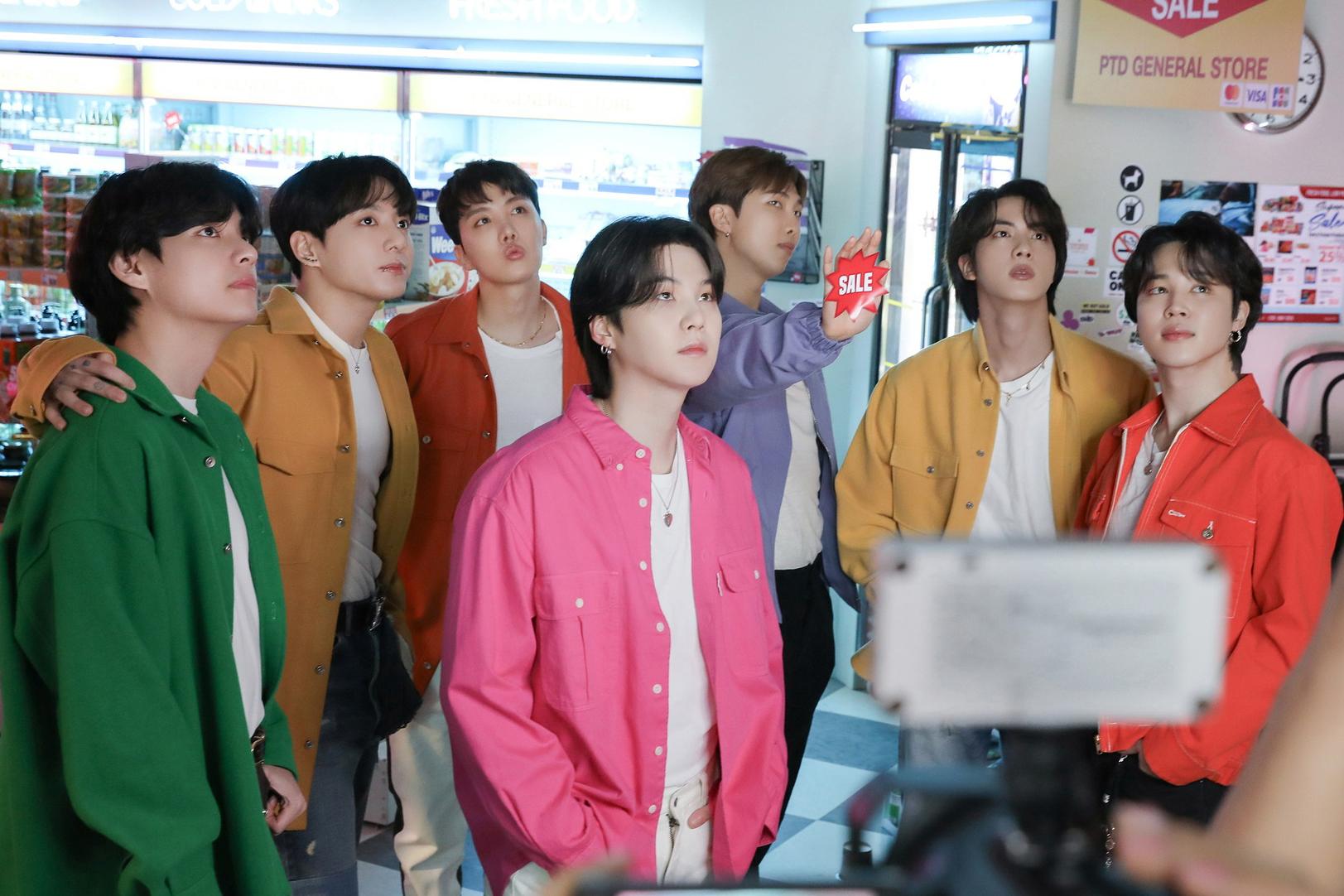
During a National Assembly defense committee audit, Sung questioned the Military Manpower Administration Commissioner Hong So Young about the exemption criteria. He highlighted the case of BTS, a group that has made significant cultural and economic contributions to South Korea but was not exempt from military service. Sung emphasized the disparity in treatment between individuals who have made substantial contributions to the country and those who receive military benefits without similar achievements.
Commissioner Hong acknowledged the need to review and improve the exemption criteria in collaboration with the Ministry of Culture, Sports, and Tourism. He recognized that the current system may not be fair and indicated a willingness to address the concerns raised by lawmakers. The discussion at the National Assembly highlighted the need for a more equitable and transparent military exemption system that considers the contributions of individuals to the country's cultural and economic development.
In conclusion, the debate over South Korea's military exemption system for artists and athletes underscores the importance of fairness and consistency in determining eligibility for alternative service. Lawmakers are calling for a review of the current criteria to ensure that individuals who have made significant contributions to the country are not unfairly disadvantaged. The ongoing scrutiny of the exemption system reflects a broader conversation about the role of artists and athletes in South Korean society and the recognition they receive for their achievements.