Common Sense in American Politics: Trump's Rhetorical Strategy and Populist Appeal
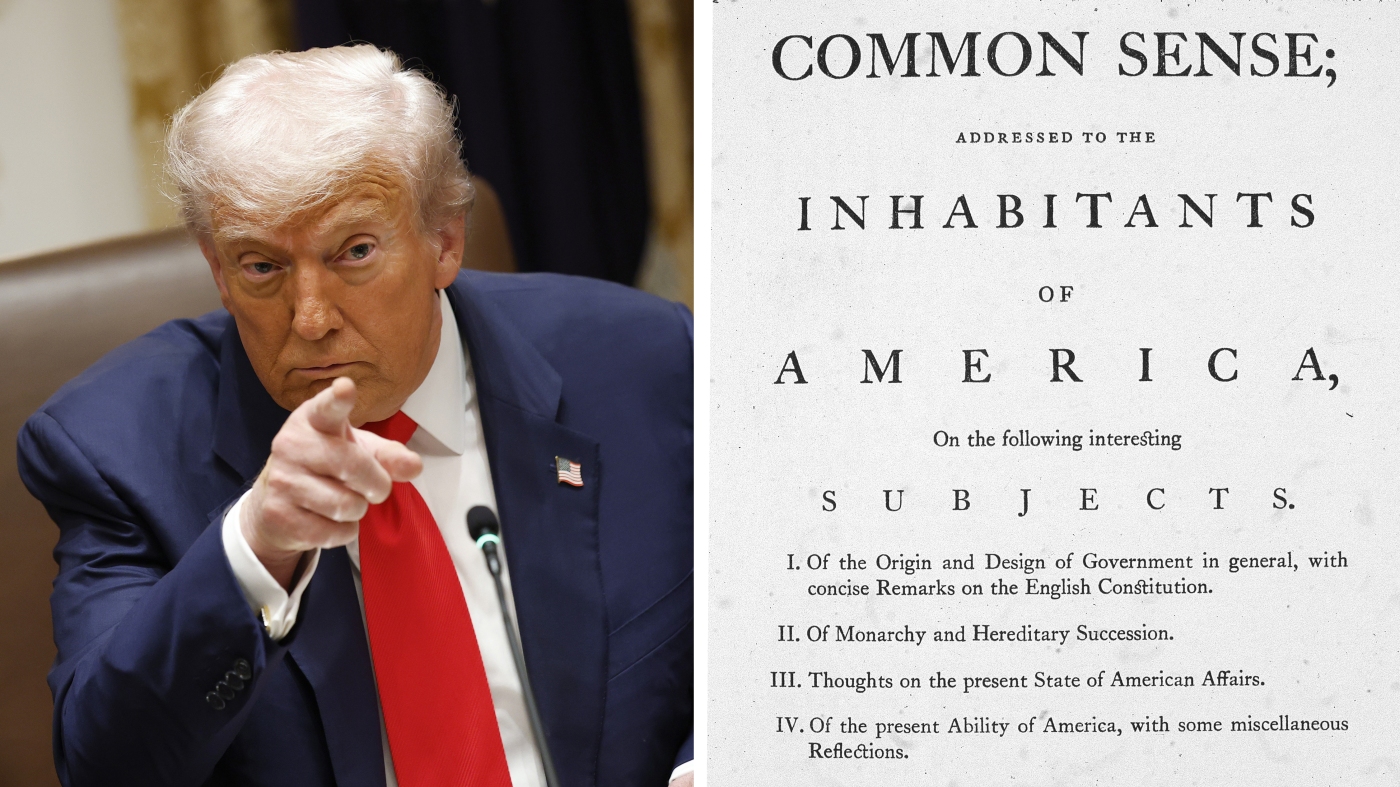
The concept of "common sense" has long been a prominent theme in American politics, dating back to the country's inception. President Trump frequently employs this term in his rhetoric, emphasizing his reliance on practical wisdom rather than formal expertise. He often uses "common sense" to challenge established norms or policies, asserting that it resonates with ordinary people's experiences and transcends elite opinions.
Trump's frequent use of "common sense" sets him apart from other politicians, drawing on its populist appeal rooted in Thomas Paine's influential pamphlet "Common Sense" from 1776. This phrase contrasts with academic intelligence, aligning with Trump's narrative of championing everyday Americans over the political establishment. By invoking the dichotomy of common sense versus scholarly knowledge, Trump underscores his administration's approach as more grounded and relatable.
The term "common sense" holds particular appeal for demographics that strongly support Trump, such as rural communities and older voters seeking a return to simpler times. While Trump's use of "common sense" can signal broad policy appeal, it also serves as a rhetorical weapon to discredit opposing views as extreme or out of touch. Democrats, including President Obama and Rep. Ocasio-Cortez, have also employed "common sense" to advocate for policy reforms that resonate with a wide audience.
Despite its seemingly innocuous connotations, "common sense" can be wielded as a tool to justify unconventional or controversial actions, as seen in Trump's defense of deploying the National Guard in cities. This rhetoric of "common sense" conveys a sense of traditional values and practical solutions, even when the proposed policies challenge established norms. Ultimately, the use of "common sense" in political discourse reflects a broader strategy to appeal to the public's sensibilities and frame policy debates in terms of relatability and simplicity.