Call for Caution: Statement on AI Superintelligence Development
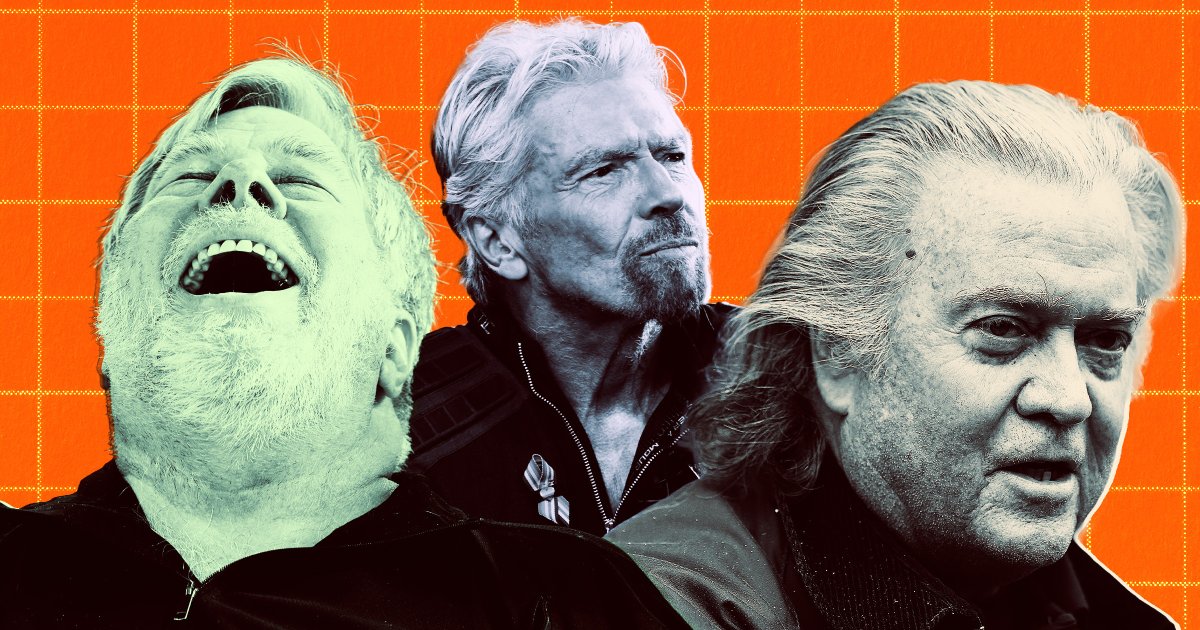
A letter titled the "Statement on Superintelligence" has been signed by numerous public figures, urging for a prohibition on the development of AI superintelligence until there is scientific consensus on its safety and controllability. The signatories include tech figures like Steve Wozniak and Richard Branson, media personalities like Steve Bannon and Glenn Beck, and AI experts like Yoshua Bengio and Geoffrey Hinton. The letter emphasizes the need for public input in shaping the future of AI and highlights the risks associated with advancing towards superintelligence.
The signatories express concerns about the potential risks of AI surpassing human intelligence and emphasize the importance of designing AI systems that cannot harm people. They stress the need for public involvement in decision-making processes related to AI development to ensure a safer and more controlled advancement towards superintelligence. The letter acknowledges the transformative potential of AI in addressing global challenges but also underscores the significant risks associated with its development.
While the letter focuses on the goal of achieving superintelligence, it also acknowledges the disruptive impact of current AI technologies, such as chatbots and generative tools, on various aspects of society. The letter points out the potential negative consequences of AI misuse, including misinformation, illegal activities, and mental health issues. It also highlights the absence of certain prominent figures in the AI industry who did not sign the letter, raising questions about their stance on regulating advanced AI development.
The letter underscores the importance of regulating AI development and ensuring that the public has a voice in shaping the future of technology. It calls for a democratic approach to AI governance and emphasizes the need for accountability and oversight in the development of AI systems. The signatories believe that the current trajectory of AI development, focused on surpassing human intelligence, is not aligned with public preferences or safety considerations, urging for a more inclusive and regulated approach to AI advancement.
In conclusion, the letter signed by a diverse group of public figures advocates for a cautious approach to AI superintelligence development, emphasizing the need for scientific consensus, public input, and regulatory oversight. It highlights the potential risks and benefits of advancing towards superintelligence and calls for a more democratic and accountable process in shaping the future of AI technology.