Title: "Navigating Tensions: U.S. Military Presence in the Caribbean Amid Rising Threats
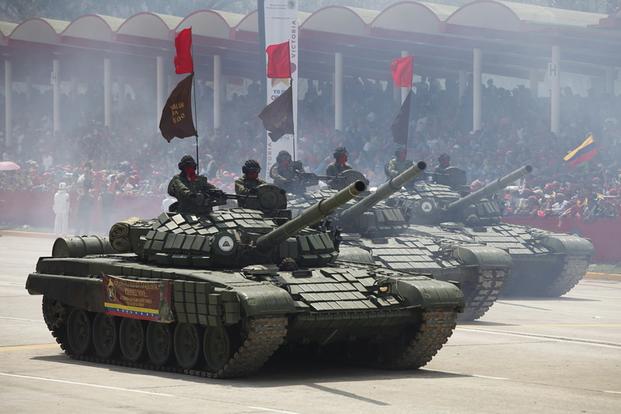
In light of these developments, the risk of accidental conflict in the region has increased significantly. The presence of U.S. troops in the Caribbean, initially focused on counternarcotics operations, now faces a more formidable adversary in the form of Venezuela's military preparedness. The Venezuelan armed forces, though reportedly facing maintenance challenges, have acquired advanced weaponry, including Russian-built fighter jets armed with potent anti-ship missiles. This arsenal poses a direct threat to U.S. naval assets operating in the region.
Moreover, Venezuela's deployment of air defense systems and radar arrays, supported by Chinese technology, creates a contested electromagnetic spectrum, complicating U.S. military operations. The potential for miscalculations or provocations, such as close encounters between Venezuelan jets and U.S. ships, further heightens tensions. The risk of inadvertent escalation is a real concern, given the proximity of forces and the potential for misinterpretation of intentions.
As U.S. Coast Guard and Marine units continue their missions in the Caribbean, the need for enhanced readiness and coordination becomes paramount. The current focus on counternarcotics operations may need to be reevaluated in light of the evolving security landscape. Any shift towards more assertive military actions would require additional resources and strategic planning to mitigate the risks of a direct confrontation with Venezuela.
In conclusion, the situation in the Caribbean underscores the complex interplay of security challenges facing the U.S. military in the region. As Venezuela enhances its military capabilities and asserts its sovereignty, U.S. forces must adapt to the changing dynamics and ensure preparedness for potential contingencies. The need for clear communication, de-escalation measures, and strategic foresight is essential to prevent unintended conflict and maintain stability in the region.