Legal Risks of Using the IRS to Target Political Adversaries: Implications for the Trump Administration
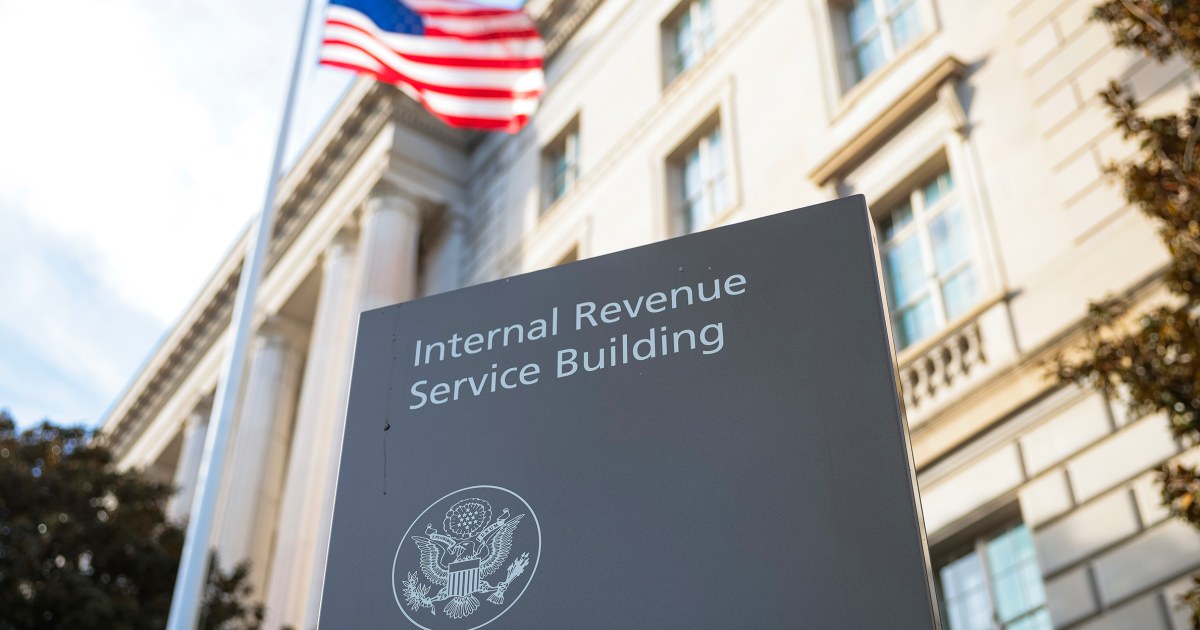
President Donald Trump is focusing on using the Internal Revenue Service (IRS) as a tool to target his political adversaries. Recent reports suggest that the administration is planning significant changes at the IRS to facilitate criminal investigations of left-leaning groups. These changes are spearheaded by Gary Shapley, an adviser to Treasury Secretary Scott Bessent, and involve revising the agency's procedures to reduce the involvement of lawyers from the IRS chief counsel's office. Shapley, who previously oversaw the IRS's investigation into Hunter Biden, has already directed the IRS to investigate specific tax-exempt organizations that oppose the president.
However, these changes may not achieve the administration's objectives and could instead lead to legal consequences for Trump, Shapley, and others involved. Federal law prohibits the president, vice president, and most Cabinet officials from requesting audits or investigations by the IRS. Violating this law could result in criminal charges, and the immunity granted to the president for official actions may not apply in this context. Additionally, IRS employees are required to report improper requests or face penalties, raising questions about the willingness of civil servants to participate in baseless investigations.
Shapley and any IRS employees assisting him could also face criminal liability for targeting individuals based on their political beliefs. Federal laws prohibit intentional discrimination against Americans for their political views, with potential consequences including fines, imprisonment, and termination. The statute of limitations for these offenses extends beyond the current administration, posing risks for those involved in targeting political opponents.
The irony of a potential second Trump administration targeting groups by political affiliation is highlighted by past actions of the IRS. In 2013, the agency admitted to subjecting certain groups to extra scrutiny based on their names and ideological positions, leading to resignations, inquiries, and lawsuits. The first Trump administration settled one of these lawsuits with an apology and payment, emphasizing that tax exemption should be based on organizational activities rather than political stances. Despite the Department of Justice's decision not to pursue criminal charges in that case, Shapley's reported intentions to target specific donors and groups raise concerns about potential legal violations and repercussions.
In conclusion, the proposed changes at the IRS under the Trump administration could have far-reaching legal implications for those involved in targeting political adversaries. Violating federal laws prohibiting discrimination based on political views and improper requests for IRS investigations may result in criminal charges, fines, and imprisonment. The potential consequences extend beyond the current administration, underscoring the risks associated with weaponizing the IRS for political purposes.