Senator Rand Paul Advocates for Paying U.S. Troops and Federal Workers Amid Government Shutdown
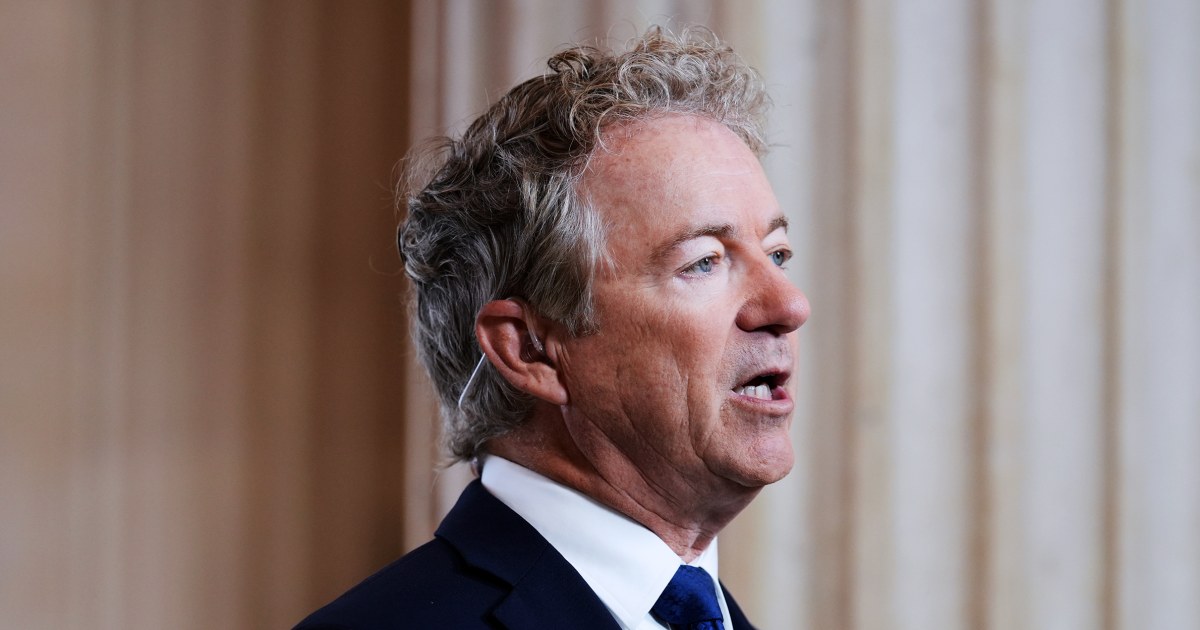
Senator Rand Paul expressed his support for passing a standalone measure in the Senate to pay U.S. troops and federal workers affected by the government shutdown. Despite his previous votes against temporary government funding bills, Paul emphasized the importance of paying all employees currently working. The ongoing government shutdown has left federal workers and military members without paychecks, with some furloughed and others working without compensation. President Trump's administration attempted to lay off furloughed workers, but the move was temporarily blocked by courts.
The Senate has been unable to reach a 60-vote threshold to pass any temporary funding bills, with both Republican and Democratic proposals failing to gain enough support. Senator Paul cited concerns about the deficit as the reason for opposing both parties' spending bills, highlighting the significant deficit increases projected by each proposal. Despite facing criticism from President Trump for his stance, Paul remains committed to advocating for fiscal responsibility and balanced budgets.
In response to the President's remarks, Senator Paul defended his position, emphasizing the importance of addressing the national debt and fiscal discipline. He acknowledged that his views may be perceived as unconventional but reiterated the support he receives from constituents across the country for his stance on financial matters. Senator Tim Kaine, a Democrat from Virginia, echoed the need for negotiations and a resolution to reopen the government, emphasizing the importance of addressing healthcare costs and extending Affordable Care Act subsidies.
In conclusion, Senator Rand Paul's support for paying U.S. troops and federal workers during the government shutdown underscores the bipartisan challenges in reaching a consensus on temporary funding measures. The ongoing impasse in the Senate highlights the need for negotiations and compromise to address key issues such as healthcare costs and deficit concerns. Despite facing criticism, Senator Paul remains steadfast in his commitment to fiscal responsibility and balanced budgets, reflecting the broader debate over government spending and financial priorities.