Controversy and Conflict: Federal Agents' Rules of Engagement in Immigration Crackdowns
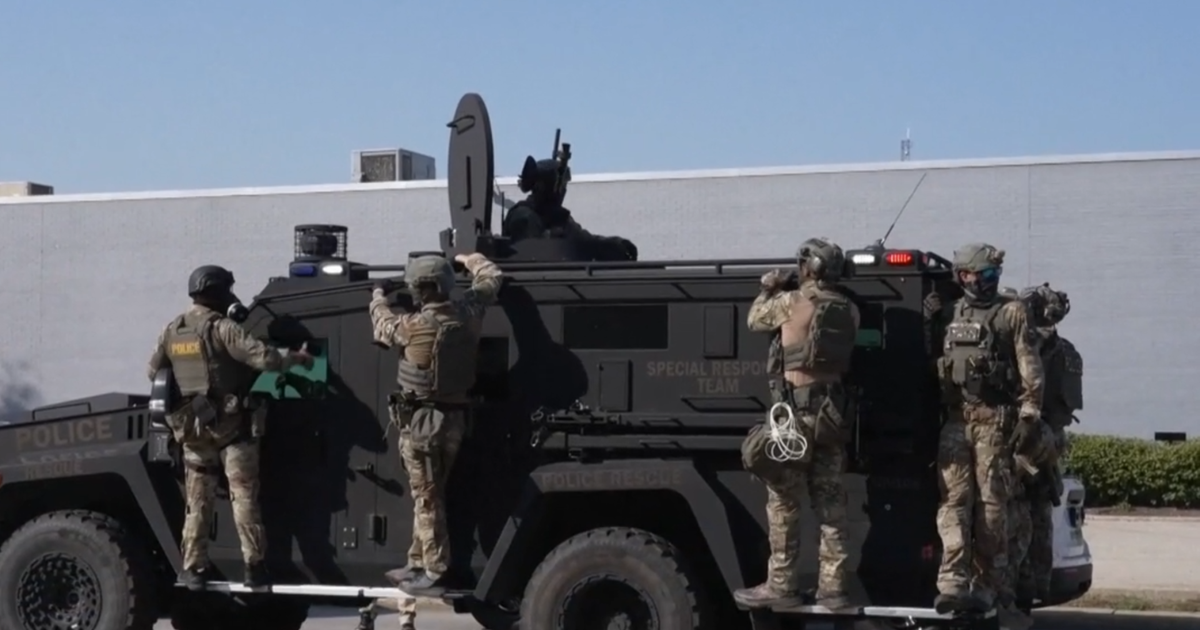
Amid President Trump's immigration crackdown, federal agents in cities like Chicago have faced scrutiny for their rules of engagement. Former Immigration and Customs Enforcement director John Sandweg expressed concern that agents are being put in a difficult position, conducting operations in cities where they are not typically deployed. Recent incidents involving ICE and U.S. Border Patrol have sparked controversy, with viral videos showing encounters ranging from vehicle crashes to forceful takedowns.
The deployment of Border Patrol agents in urban areas like Chicago has raised questions about their training and the appropriateness of their presence in these settings. The use of tear gas by federal agents during a recent incident in Chicago prompted a federal judge to order agents to wear body cameras in response to allegations of excessive force against protesters and journalists. Illinois Governor JB Pritzker welcomed the judge's decision and suggested that more legal action may be taken against ICE and CBP.
ICE and Border Patrol, both part of the Department of Homeland Security, are expected to adhere to rules of engagement similar to those of local law enforcement agencies. According to Sandweg, the use of force policies within DHS require agents to respond proportionately to the threats they face and prioritize de-escalation tactics. DHS responded to viral video clips showing confrontations between agents and protesters by highlighting the challenges faced by law enforcement in dealing with obstruction and attacks.
Jerry Robinette, a law enforcement veteran with experience in Homeland Security Investigations, acknowledged the stressful nature of the situation for both protesters and federal agents. He noted that agents have a mission to uphold and are instructed not to back down when faced with challenges. Robinette emphasized that the current immigration raids and resulting protests represent uncharted territory, with extreme confrontations unfolding in ways not previously experienced.
In conclusion, the actions of federal agents in response to immigration enforcement have sparked controversy and legal challenges in cities like Chicago. The deployment of Border Patrol agents in urban areas has raised concerns about their training and tactics, leading to calls for increased accountability and oversight. As the situation continues to evolve, the interactions between protesters and federal agents highlight the complex dynamics at play in the current immigration enforcement landscape.