Unveiling the Medieval Tsunami: Lessons from Anegada's Coral Skeletons
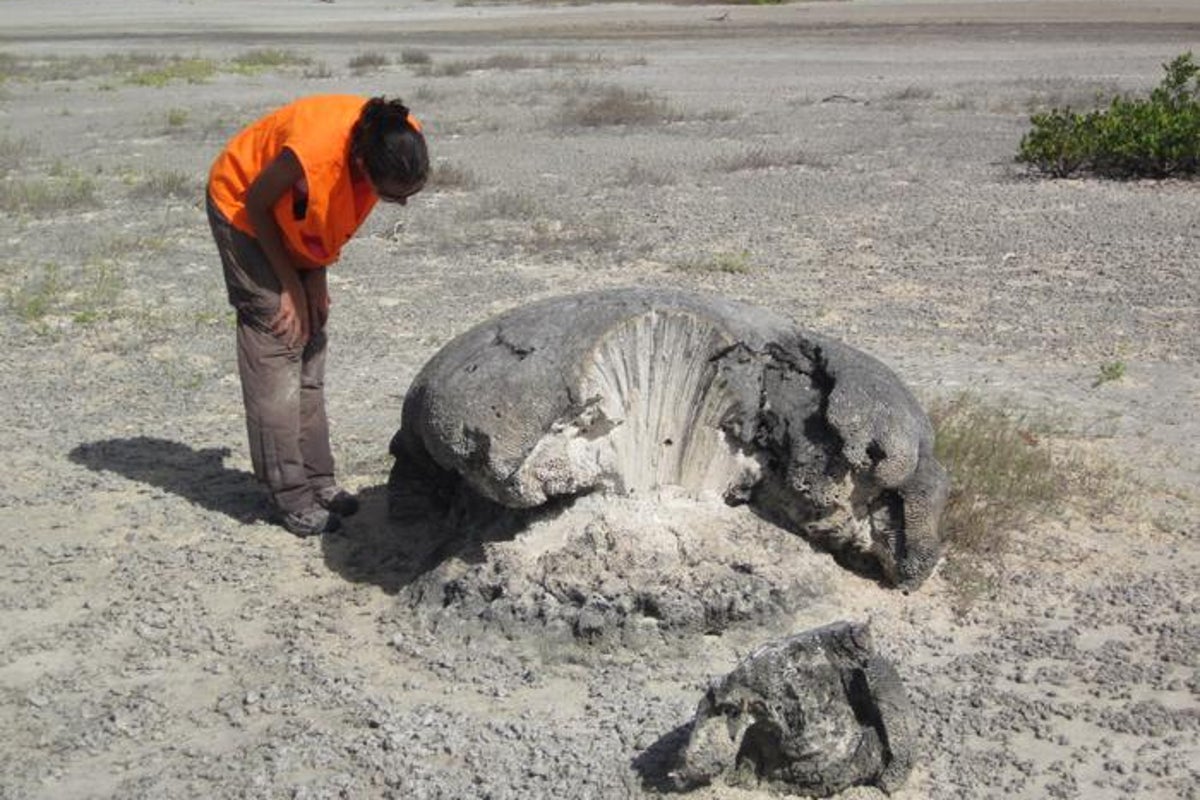
A recent study of coral skeletons revealed evidence of a powerful earthquake and tsunami that struck the Caribbean in the late 14th century. The earthquake, with a magnitude exceeding 8.0, originated in the northeastern Caribbean between 1381 and 1391, causing a tsunami that inundated islands in the northern Lesser Antilles. Coral skeletons scattered inland on the island of Anegada were found to be remnants of this catastrophic event, which was traced back to the Puerto Rico Trench.
The findings of the study, published in the journal Geophysical Research Letters, shed light on the unique nature of the tsunami triggered by faulting in the Puerto Rico Trench. The discovery of coral skeletons displaced by flooding provides valuable insights for understanding the risks posed by future tsunamis in the Caribbean region. Researchers, including those from the University of Washington, emphasized the importance of incorporating this knowledge into coastal infrastructure planning to mitigate potential hazards.
While the majority of the British Virgin Islands are shielded by a shallow continental shelf that reduces the impact of tsunamis, Anegada stands out due to its steep seafloor slope towards the trench. This geological feature makes the island more susceptible to tsunami hazards, highlighting the need for targeted preparedness measures. By dating the coral skeletons using uranium decay to thorium, scientists were able to establish a timeline for the medieval tsunami, offering a valuable reference point for future risk assessments and disaster planning.
The study's findings underscore the significance of understanding past natural disasters to enhance resilience and response strategies for potential future events. By leveraging scientific research and geological data, communities in the Caribbean can better prepare for and mitigate the impact of tsunamis. The study's insights into the historical tsunami serve as a reminder of the region's vulnerability to seismic activity and the importance of proactive measures to safeguard lives and infrastructure.