AI in Politics: NRSC's Controversial Ad Targeting Chuck Schumer
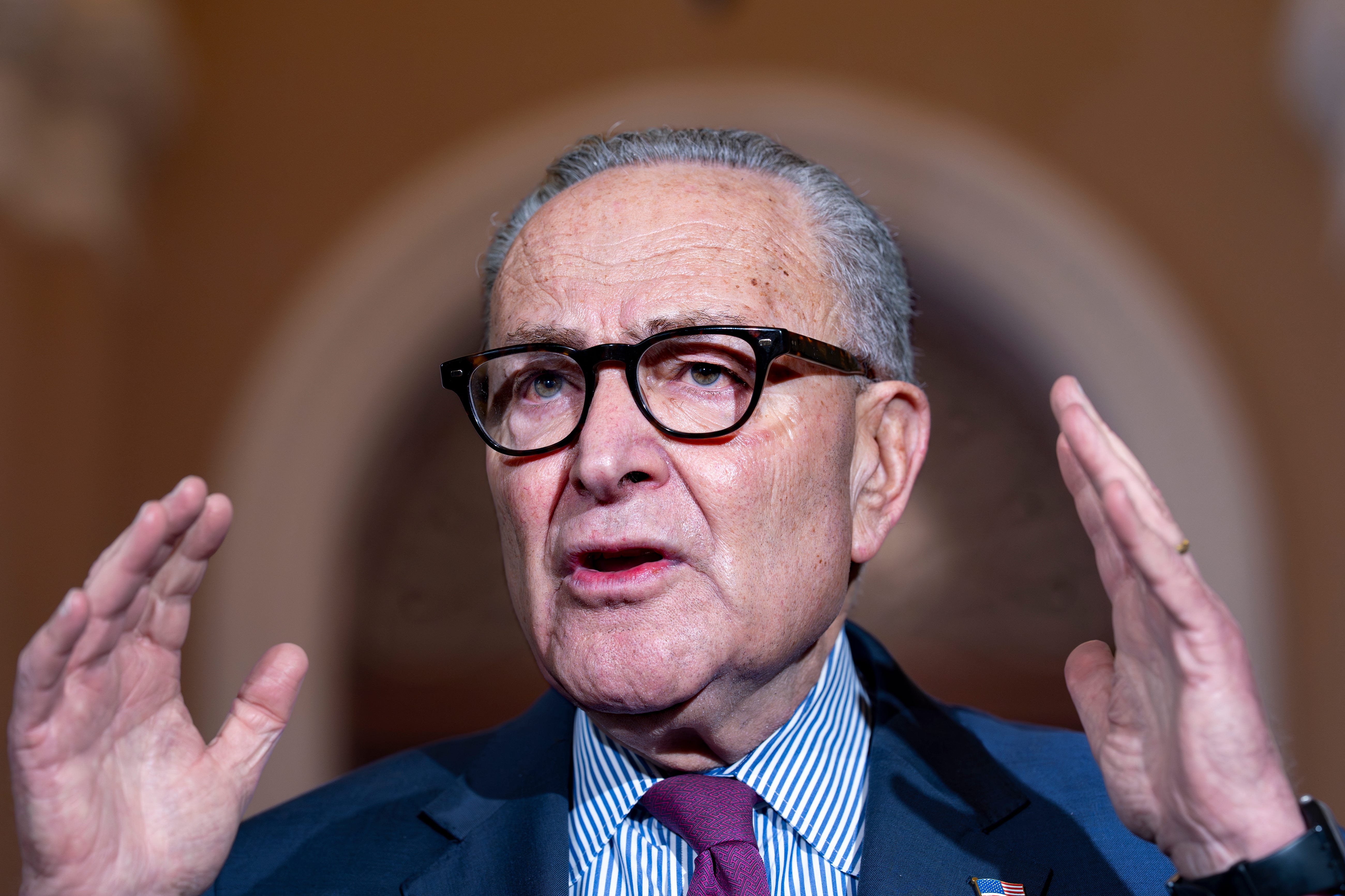
Senate Republican campaign leaders have released a 30-second digital ad that uses artificial intelligence-generated video to depict Senate Democratic Leader Chuck Schumer making comments about the political impact of the ongoing government shutdown. The ad features Schumer appearing to say on camera that "Every day gets better for us," a statement taken from a recent print interview he gave to Punchbowl News. The NRSC defended their use of the quotes, emphasizing the political insensitivity of Schumer's remarks in the context of the shutdown.
The ad includes a disclaimer acknowledging the use of AI technology in its creation, signaling a new trend in campaign advertising. NRSC spokesperson Joanna Rodriguez stated that AI-generated content is becoming more prevalent in political campaigns and emphasized the importance of adhering to legal and ethical standards. The ad aims to highlight Schumer's perceived political opportunism during the shutdown, contrasting his words with images of military service members in line at a food bank and officials expressing concerns about the shutdown's impact.
While the ad presents Schumer's words in a visual format, it takes some creative liberties by featuring an AI-generated close-up of the Democratic leader smiling at the end. The NRSC's use of AI technology in political advertising raises questions about the evolving landscape of campaign messaging and the potential impact on public perception. Schumer's office has not yet responded to requests for comment on the ad.
In conclusion, the NRSC's use of AI-generated video in a digital ad targeting Senate Democratic Leader Chuck Schumer has sparked debate about the ethical and legal implications of such technology in political campaigns. The ad seeks to portray Schumer's comments on the government shutdown in a negative light, emphasizing the perceived insensitivity towards affected Americans. As AI technology continues to advance, its role in shaping political messaging and public discourse is likely to become increasingly prominent.