Trump's Critique of TIME Magazine Cover: Unpacking the Controversy
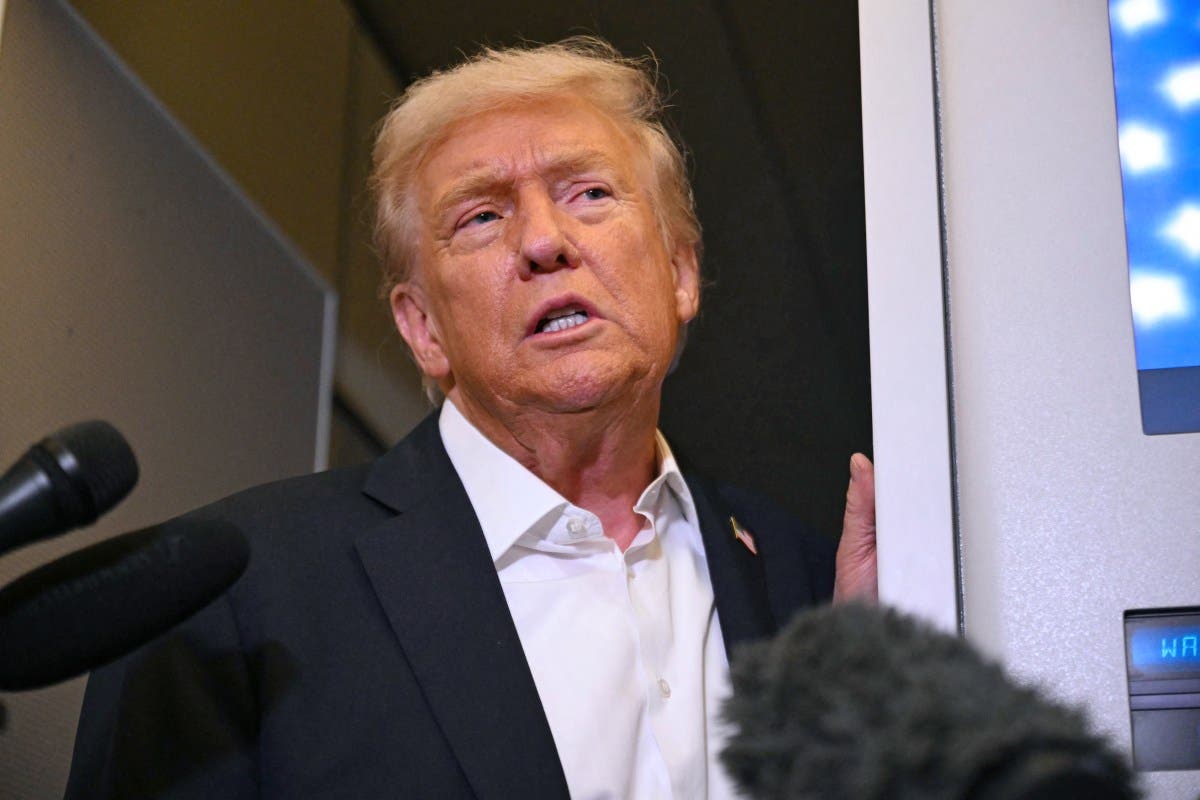
President Donald Trump recently criticized TIME magazine for featuring what he called a "super bad picture" of him on its latest front page. The magazine's cover story highlighted Trump's efforts in achieving peace in the Middle East. Trump took to Truth Social to express his dissatisfaction with the image, claiming that his hair was altered and a strange object resembling a small crown was added to his head. He questioned the magazine's choice of angle and expressed his disapproval of the picture.
Trump's comments on the TIME magazine cover quickly gained attention, with many speculating about the motives behind the unflattering image. The former president emphasized his preference for different angles in photographs and criticized the magazine for its portrayal of him. The controversy surrounding the picture has sparked discussions online, with some defending Trump's criticism and others questioning the significance of the image in relation to the story.
As the story continues to develop, Trump's remarks about the TIME magazine cover have sparked debate and speculation among the public. The image in question has drawn attention to the portrayal of political figures in the media and the impact of visual representation on public perception. The controversy surrounding the picture serves as a reminder of the power of images in shaping narratives and influencing public opinion.
In conclusion, President Donald Trump's criticism of the TIME magazine cover featuring an unflattering image of him has sparked debate and speculation. The controversy surrounding the picture highlights the importance of visual representation in shaping public perception and the portrayal of political figures in the media. As the story continues to unfold, the discussion around the image serves as a reminder of the influence of images in shaping narratives and influencing public opinion.