Parental Rights and School Policies: The Supreme Court's Decision on Colorado Families' Lawsuit
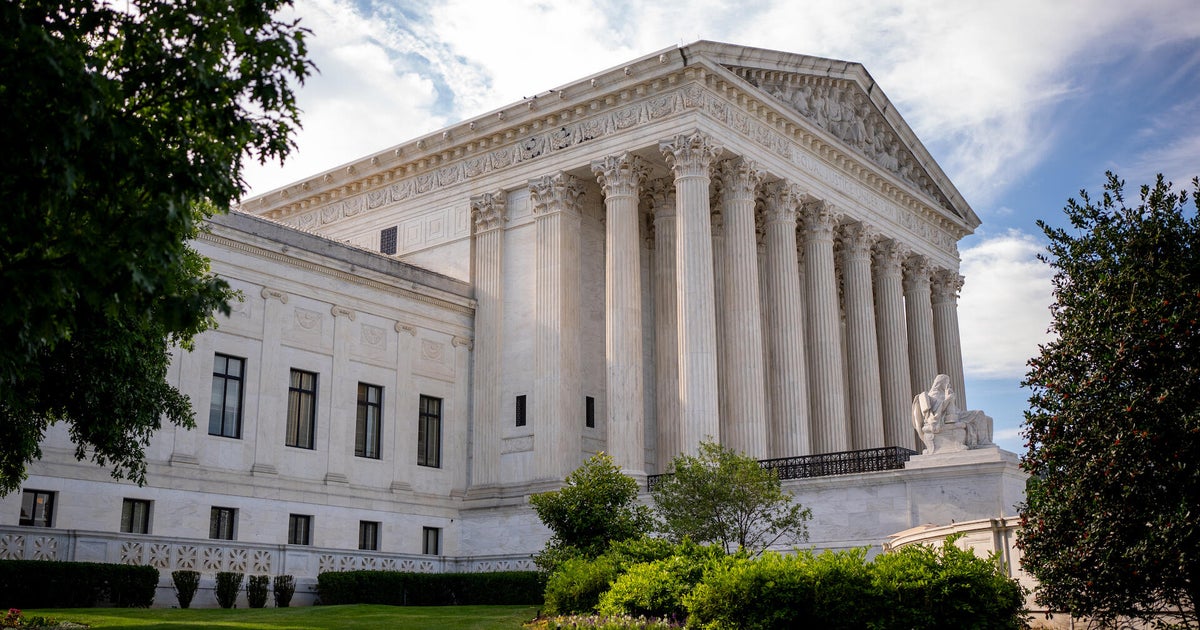
The Supreme Court declined to revive a lawsuit brought by two Colorado families who claimed their parental rights were violated when their children participated in school-sponsored club meetings discussing gender identity and sexuality without informing their parents. Justices Alito, Thomas, and Gorsuch expressed concerns about schools encouraging students' gender transitions without parental consent. The families challenged policies of the Poudre School District R-1 in Colorado that allegedly discouraged disclosing information about students' gender identity to parents.
The families, the Lees and the Jurichs, argued that parents have a constitutional right to make decisions about their children's care and upbringing, which they believe is being undermined by school districts nationwide. The Lees' daughter, C.L., attended a Gender and Sexualities Alliance meeting at her middle school where a substitute teacher discussed gender identity and warned students not to share the information with their parents. The Jurichs' daughter, H.J., had a similar experience at after-school GSA meetings and felt unsafe at school due to a teacher's encouragement to attend the meetings.
Both sets of parents sued the Poudre School District, alleging violations of their 14th Amendment rights by interfering with their parental decision-making. The lawsuit sought reimbursement for private school costs, medical expenses, and counseling fees. However, the federal district court dismissed the case, and the U.S. Court of Appeals for the 10th Circuit upheld the decision on procedural grounds.
The parents' lawyers argued that the lower court rulings allow school districts to undermine parental authority by enacting policies that restrict parents' access to information needed to make decisions in their children's best interests. On the other hand, the school district contended that the case did not warrant Supreme Court review and claimed that the parents were seeking an advisory opinion beyond federal court jurisdiction.
In conclusion, the Supreme Court's rejection of the lawsuit brought by the Colorado families highlights the ongoing debate over parental rights in education and the balance between school policies and parental decision-making. The concerns raised by the families and the dissenting justices underscore the complex legal and ethical issues surrounding children's education and parental involvement in school matters.