Janus Project: Revolutionizing Military Power with Nuclear Microreactors
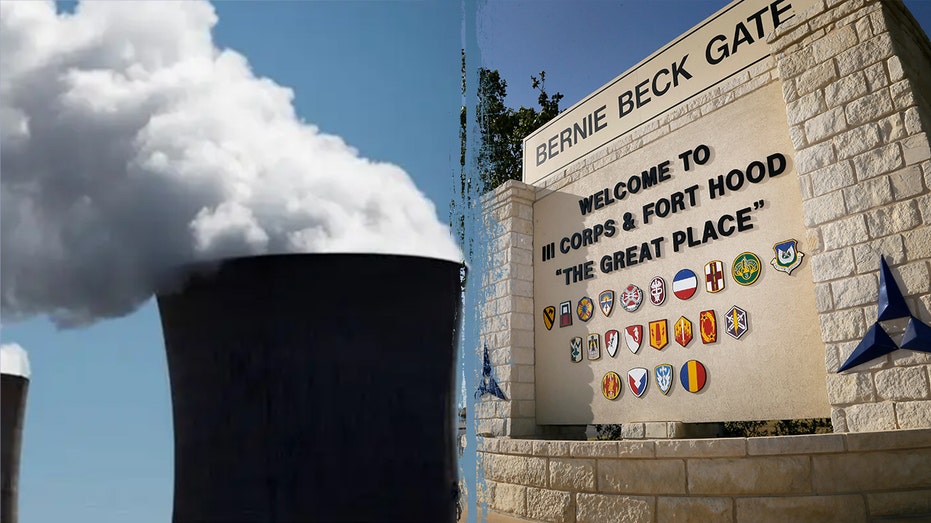
The Army is embarking on a significant new nuclear program called the Janus Project to generate power for military bases worldwide, especially in remote or challenging locations where fuel access is limited. Dr. Jeff Waksman, the Army official leading the initiative, revealed that "hundreds of millions" of dollars will be invested in the program over the next five years to deploy advanced commercial microreactors at military sites. The escalating energy demands in modern warfare, with the rise of drones, directed-energy weapons, and artificial intelligence, necessitate a reliable power source, particularly in potential conflict zones like the Indo-Pacific region.
The program aims to address the energy needs of military bases, which currently rely entirely on fossil fuels for power. Waksman emphasized the necessity of nuclear power to provide continuous 24/7 power, as solar, wind, and battery technologies are insufficient for this purpose. The Janus Project is a response to President Donald Trump's executive order to operate an Army-regulated nuclear reactor at a U.S. military installation by 2028, with the Department of the Army leading the initiative as the executive agent.
Under the Janus Program, the Army will collaborate with the Defense Innovation Unit and the Department of Energy's national laboratories to develop and test commercial microreactors. These reactors will be constructed and operated by commercial entities, not the military, to encourage private investment. The Army plans to adopt a milestone-based contracting model inspired by NASA's Commercial Orbital Transportation Services program to expedite development, reduce costs, and create a sustainable market for small reactors that can serve both military and civilian infrastructure.
The construction of the first microreactors is projected to commence by 2027, with a focus on materials science and supply chain improvements to address current bottlenecks. The Army intends to work with multiple vendors to build at least two reactors each, with the goal of enhancing energy logistics in potential conflict scenarios, such as transporting power over long distances, like to Guam, where energy supply is heavily reliant on imported oil.
While the initial deployment of microreactors will be within the U.S., the technology is being developed with future expeditionary use and commercial applications in mind. The Army envisions a scenario where industry can produce and sell these reactors to commercial partners, signaling a shift towards a broader market beyond military applications. Nuclear microreactors offer a compact, efficient power solution that can be rapidly deployed and provide continuous, carbon-free energy in challenging environments where traditional fuel delivery is impractical or risky.
In conclusion, the Army's Janus Project represents a strategic investment in nuclear power technology to meet the evolving energy demands of military operations and enhance energy security in remote or contested regions. By leveraging commercial microreactors, the Army aims to establish a sustainable energy solution that can support both military installations and civilian infrastructure, paving the way for a more resilient and flexible power supply system.