Challenges of Communication and Decision-Making in the Trump Administration: The Case of Attorney General Pam Bondi
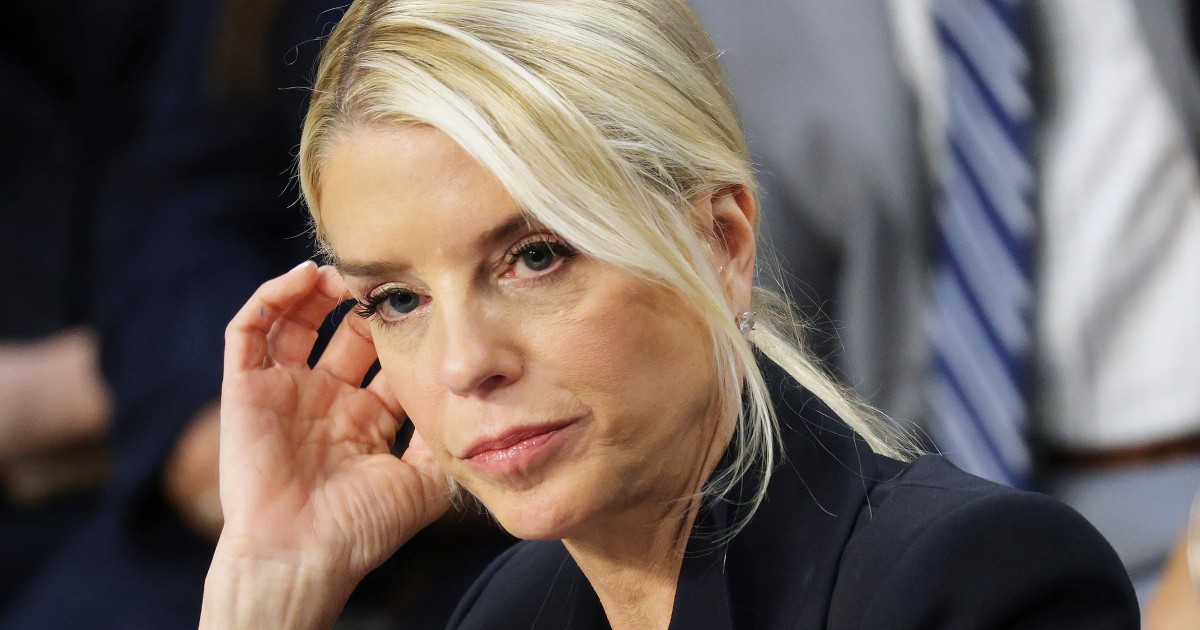
When President Donald Trump expressed his desire for the Justice Department to pursue charges against former FBI Director James Comey, he faced resistance from some officials within his own administration. Despite Trump's push, U.S. Attorney Erik Siebert and career prosecutors did not find sufficient evidence to charge Comey. Even Special Counsel John Durham declined to pursue the case. Reports also suggested that Attorney General Pam Bondi was hesitant about charging Comey, but Trump proceeded with the indictment.
Subsequently, Bondi appeared to be blindsided when another individual on Trump's list of adversaries was indicted. The New York Times reported that Bondi was not informed about the indictment of New York's Democratic Attorney General, allegedly orchestrated by Trump's appointed U.S. attorney, Lindsey Halligan. While the Trump administration denied any discord, reports from CNN and ABC News indicated that Bondi was caught off guard by the indictment.
These incidents raise questions about communication and decision-making within the Trump administration. Similar concerns have been raised about other cabinet members, such as Health Secretary Robert F. Kennedy Jr. and Defense Secretary Pete Hegseth, prompting speculation about the level of control the White House exerts over various departments. The pattern of unexpected actions and lack of transparency within the administration raises doubts about Bondi's position and influence within the administration.