U.S.-China Trade Tensions Escalate: Resolving Differences Through Negotiations
China has made it clear that it will not yield to President Donald Trump's threat of imposing a 100% tariff on Chinese imports. The Commerce Ministry emphasized the importance of resolving differences through negotiations rather than resorting to threats. The escalating tension follows Trump's warning to increase tariffs on Chinese imports by November 1 in response to China's restrictions on rare earth exports, a crucial component in various products.
The potential tariff war jeopardizes a possible meeting between Trump and Chinese leader Xi Jinping and risks reigniting the tariff conflict that briefly saw tariffs exceeding 100% in April. Trump's strategy of using tariffs to pressure trading partners for concessions has faced resistance from China, which has not backed down due to its economic strength.
China criticized the U.S. for frequently resorting to high tariffs as a negotiation tactic, emphasizing the need for dialogue to address concerns. The Commerce Ministry warned that China would take corresponding measures to protect its rights and interests if the U.S. continues its tariff threats. Both countries accuse each other of violating the truce by imposing new trade restrictions.
The dispute centers on China's new regulations requiring special approval for exporting products containing rare earth elements sourced from China. These minerals are essential for various products, from military equipment to consumer electronics. China's dominance in rare earth mining and processing gives it leverage in trade negotiations with the U.S., which views access to these materials as crucial.
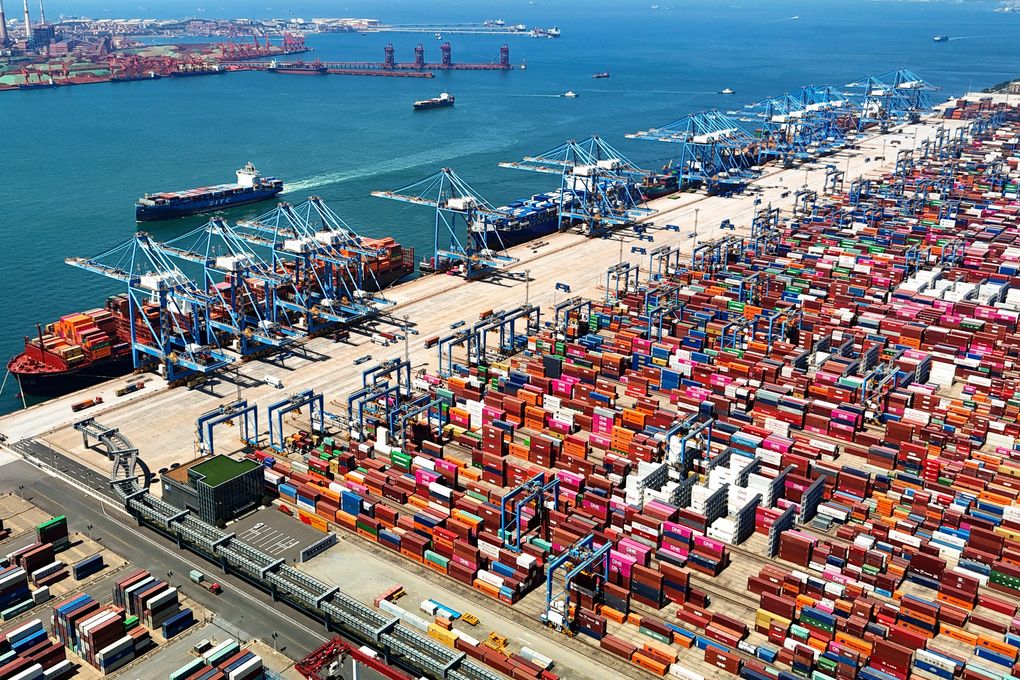
The Chinese Commerce Ministry highlighted the U.S.'s recent restrictions on Chinese companies and the imposition of port fees on Chinese ships as additional points of contention. China retaliated by announcing port fees on American ships. The ongoing trade tensions underscore the challenges in reaching a resolution through dialogue rather than escalating tariff threats.
In conclusion, the escalating trade tensions between the U.S. and China over tariffs and trade restrictions highlight the need for constructive dialogue to address differences and avoid a potential tariff war. Both countries must find a way to resolve their disputes through negotiations to prevent further escalation and protect their respective interests in the global trade landscape.