Senator Lindsey Graham Stands Firm on Government Shutdown: No Extension of Affordable Care Act Subsidies
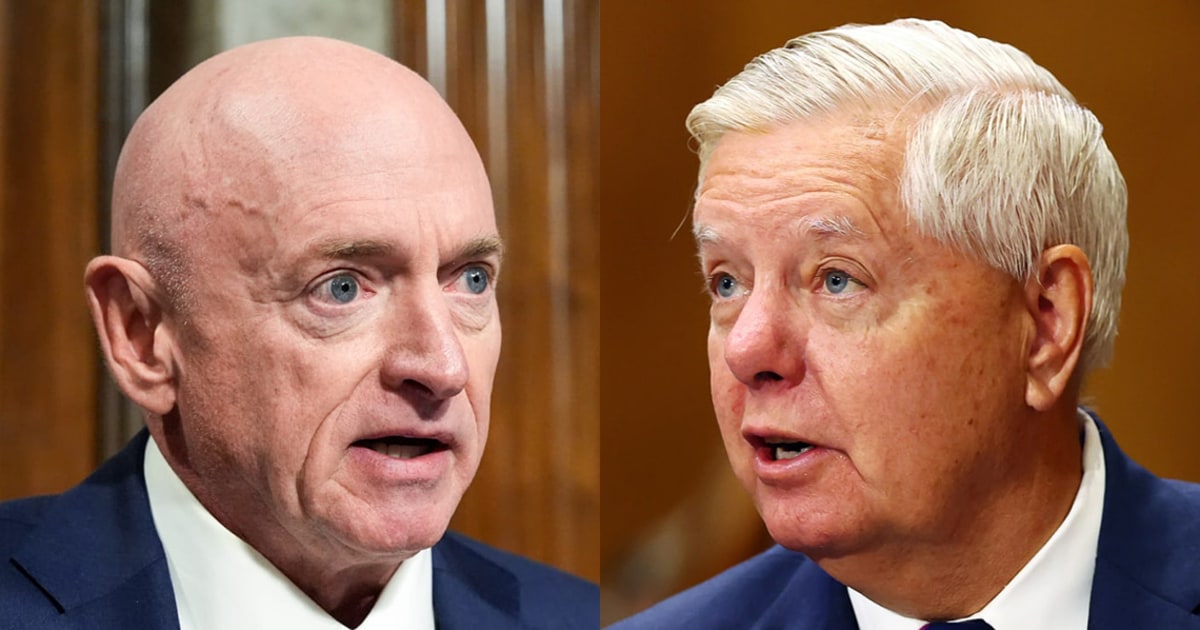
Senator Lindsey Graham from South Carolina expressed his willingness to vote to reopen the federal government but made it clear that he would not support extending Affordable Care Act subsidies during the shutdown. He emphasized the need for a rational discussion but insisted that negotiations should not take place while the government is still closed. The ongoing impasse in the Senate has led to a prolonged shutdown, affecting federal workers and critical government services.
Despite multiple attempts to pass a temporary funding measure, the Senate has been unable to reach a consensus. The proposed stopgap funding measure backed by GOP leadership has faced opposition from Democrats, who have put forward their own proposal to keep the government running through October 31. This proposal includes reversing Medicaid cuts and extending Affordable Care Act subsidies that are set to expire at the end of the year.
Senator Graham reiterated his stance against negotiating subsidies during the shutdown, drawing parallels to the previous government shutdown over funding for a border wall. He questioned the affordability of the Affordable Care Act, pointing out the significant amount of money spent to sustain it. Meanwhile, Senator Mark Kelly criticized Republicans for their reluctance to engage in negotiations with Democrats, highlighting the impact on Americans' healthcare costs.
As the government shutdown persists, with no immediate resolution in sight, the debate over funding and healthcare subsidies continues to divide lawmakers. The need for bipartisan cooperation and a swift resolution to reopen the government remains crucial. The ongoing standoff underscores the challenges of reaching consensus on critical issues affecting the nation's governance and services.