Global Tipping Points: Urgent Action Needed to Save Coral Reefs and Ecosystems
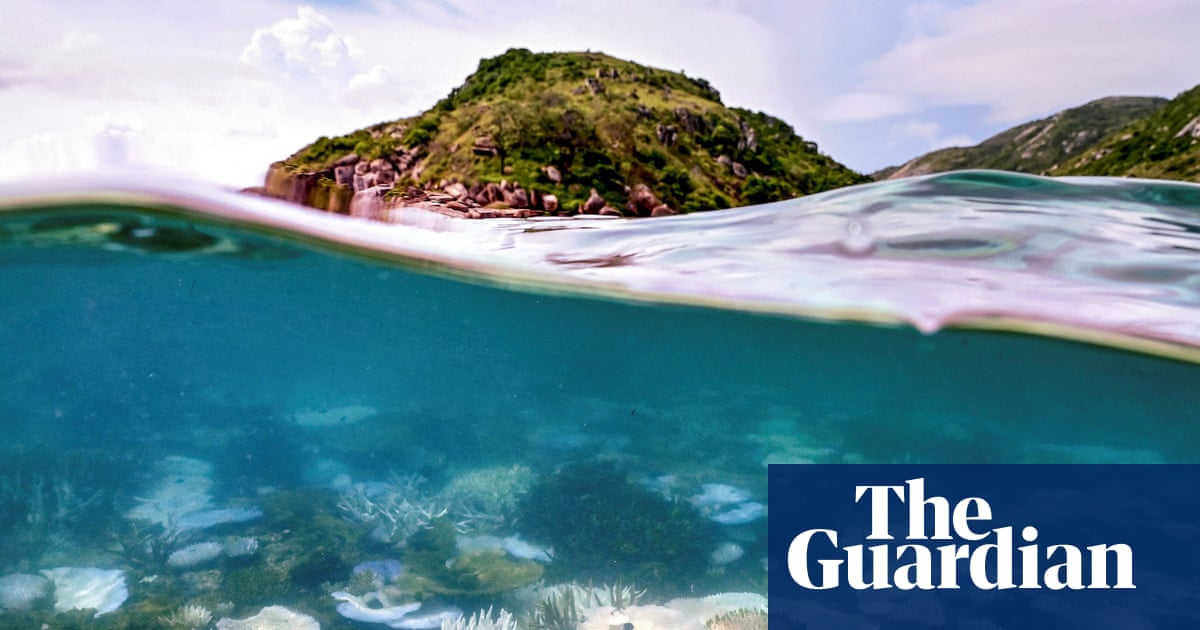
A recent report by scientists and conservationists has highlighted that the planet has reached a critical tipping point due to greenhouse gas emissions, leading to the decline of warm water coral reefs. This decline poses a significant threat to the livelihoods of millions of people worldwide. The report also warns of other potential tipping points, including the dieback of the Amazon, collapse of major ocean currents, and loss of ice sheets.
Coral reefs, which host a quarter of marine species, are particularly vulnerable to global heating. The report emphasizes the urgent need to limit global mean surface temperatures to prevent the irreversible decline of warm-water reefs. The ongoing global bleaching event, affecting over 80% of reefs in more than 80 countries, has pushed coral reefs into uncharted territory.
The Global Tipping Points report, involving 160 scientists from 87 institutions in 23 countries, indicates that coral reefs reach a tipping point when global temperatures rise between 1C and 1.5C above pre-industrial levels. Without immediate reductions in greenhouse gas emissions, the upper threshold of 1.5C could be reached within the next decade.
Prof. Tim Lenton from the University of Exeter's Global Systems Institute warns that the dieback of warm water coral reefs is already underway, impacting millions of people who rely on these ecosystems. While some experts acknowledge the decline of coral reefs, there is emerging evidence that corals can adapt to higher temperatures, offering hope for their survival.
The report underscores the critical need for conservation efforts to protect coral reefs, especially refugia areas where climate impacts are less severe. Dr. Mike Barrett from WWF-UK emphasizes the urgency of conservation actions, stating that the response must be swift to safeguard these vital ecosystems.
Despite the challenges facing coral reefs, experts highlight the importance of understanding ecosystem changes and ensuring the continued support of diverse marine life. The report also mentions the potential positive tipping points in society, such as the adoption of electric vehicles, which could help reduce greenhouse gas emissions rapidly.
In conclusion, the report underscores the pressing need for immediate action to address the threats facing coral reefs and other ecosystems. By implementing conservation measures and reducing greenhouse gas emissions, there is hope for mitigating the impacts of climate change and protecting the planet's biodiversity.