MIT Rejects Trump Administration's Funding Proposal: Upholding Academic Freedom and Scientific Integrity
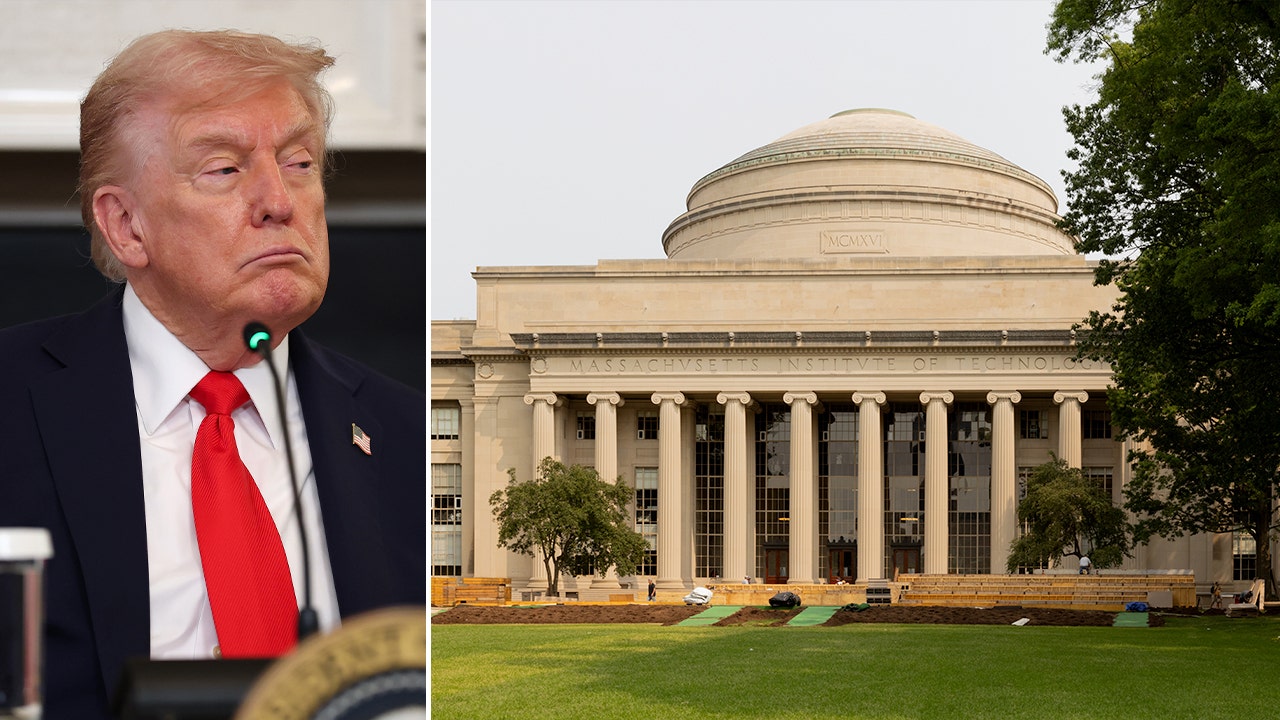
MIT has made history by being the first university to decline the Trump administration's "Compact for Academic Excellence in Higher Education," which would have provided it with special access to federal funding. MIT President Sally Kornbluth expressed concerns about the document's principles, particularly those that could limit freedom of expression and the institution's independence. Kornbluth emphasized MIT's belief that scientific funding should be solely based on scientific merit.
The White House recently approached nine universities, including MIT, with a proposal that would offer them funding advantages in exchange for implementing campus reforms. The other universities offered the proposal are the University of Arizona, Brown University, Dartmouth College, the University of Pennsylvania, the University of Texas, the University of Southern California, the University of Virginia, and Vanderbilt University. As of now, none of the other universities have responded to the proposal.
The proposal document outlines the requirements for universities that sign onto the agreement and the benefits they would receive in return. The benefits include research funding, student visa approval, preferential treatment under the tax code, access to student loans, grant programs, and federal contracts.
The administration's memo states that institutions of higher education can choose to develop different models and values if they opt out of federal benefits. The memo encourages universities to align with the White House's vision for higher education in America, which includes commitments to free speech, women's sports, tuition affordability, and more. It also urges universities to adopt the government's definition of gender for campus facilities and sports teams.
In her letter to Education Secretary McMahon, Kornbluth underscores MIT's history of serving the nation and its role in establishing a scientific partnership between the U.S. government and research universities. Despite rejecting the proposal, Kornbluth affirms MIT's commitment to the partnership's ability to benefit the nation.
MIT's decision to decline the Trump administration's proposal highlights its dedication to academic freedom and scientific integrity. The university's stance underscores its commitment to upholding its values and principles in the pursuit of excellence in education and research.