Venezuela Urges U.N. Security Council Meeting Over U.S. Military Actions
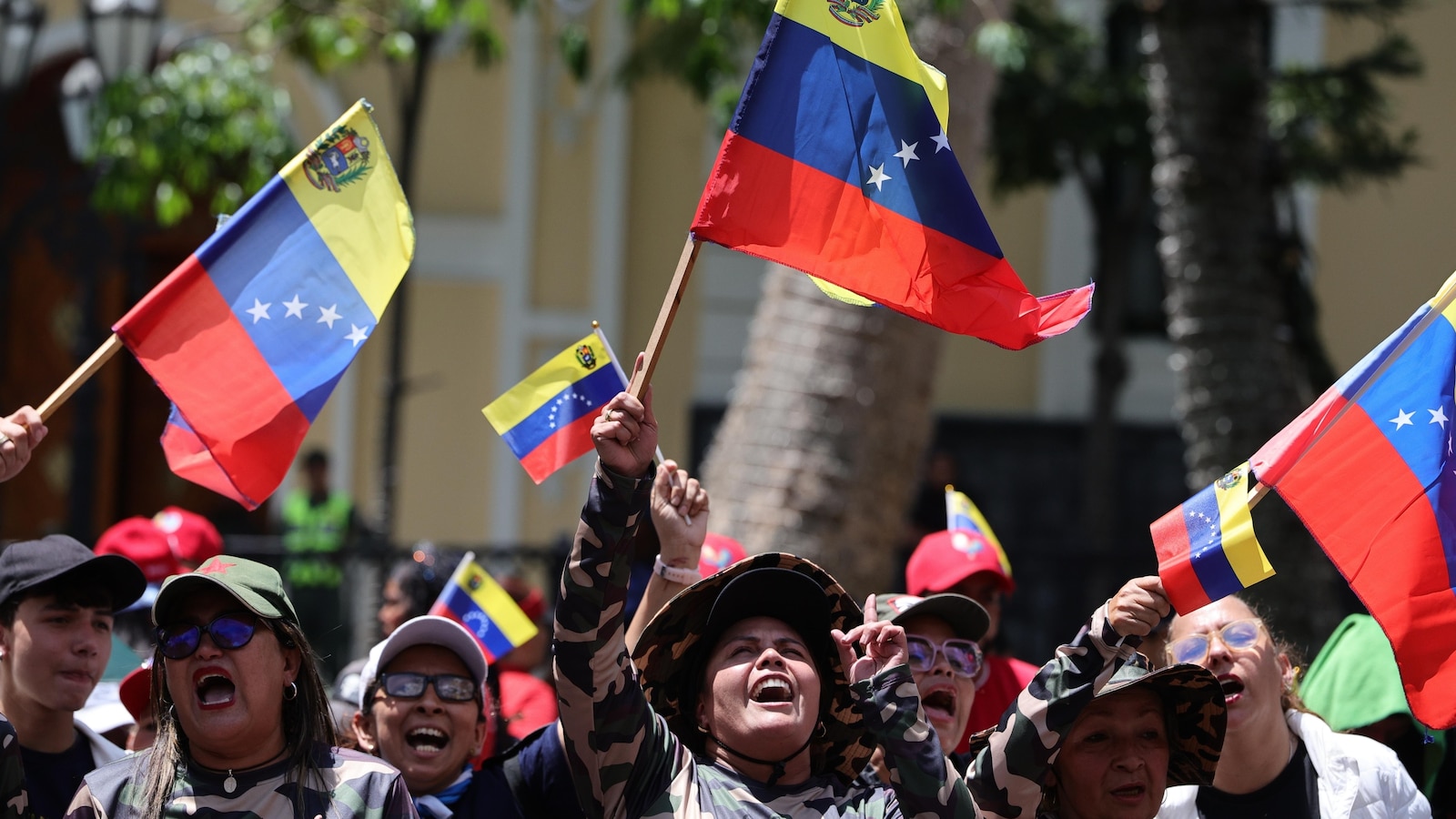
Venezuela has called for an urgent meeting of the United Nations Security Council to address recent U.S. military actions near the country. The government accused the Trump administration of attempting to overthrow President Nicolás Maduro and posing a threat to regional and international peace and stability. The request for the emergency session was made in a letter to Russia's ambassador to the U.N. and council president, Vassily Nebenzia.
The Venezuelan government expressed concerns about a potential armed attack on the country in the near future. This request followed the rejection of legislation by the U.S. Congress that would have limited Trump's authority to use deadly military force against drug traffickers. The U.S. military has conducted four deadly strikes in the Caribbean as part of what Trump has labeled an "armed conflict" with drug cartels, a claim disputed by Maduro's government.
Venezuela's ambassador to the U.N., Samuel Moncada, accused the U.S. of using drug trafficking as a pretext to advance its regime change agenda in Venezuela. The government highlighted the U.S.'s history of actions aimed at seizing control of Venezuela's natural resources. The letter did not specify the nationalities of the individuals killed in the U.S. strikes, but it acknowledged the attacks, including one that was initially questioned by Venezuela.
The Trump administration has stated that three of the targeted boats in the strikes originated from Venezuela. Venezuela's request for a Security Council meeting comes amidst heightened tensions between the two countries. Russia, a longstanding ally of Venezuela, is likely to play a role in the discussions at the U.N.
In conclusion, Venezuela's call for a Security Council session underscores the escalating tensions between the country and the U.S. over recent military actions in the region. The government's concerns about a potential armed attack and accusations of ulterior motives behind the U.S.'s actions reflect the deepening rift between the two nations. The outcome of the Security Council meeting and the response from other member states will be crucial in determining the future trajectory of the situation.