Senate Leaders Weigh Options for Pentagon Funding and Military Pay Amid Looming Shutdown
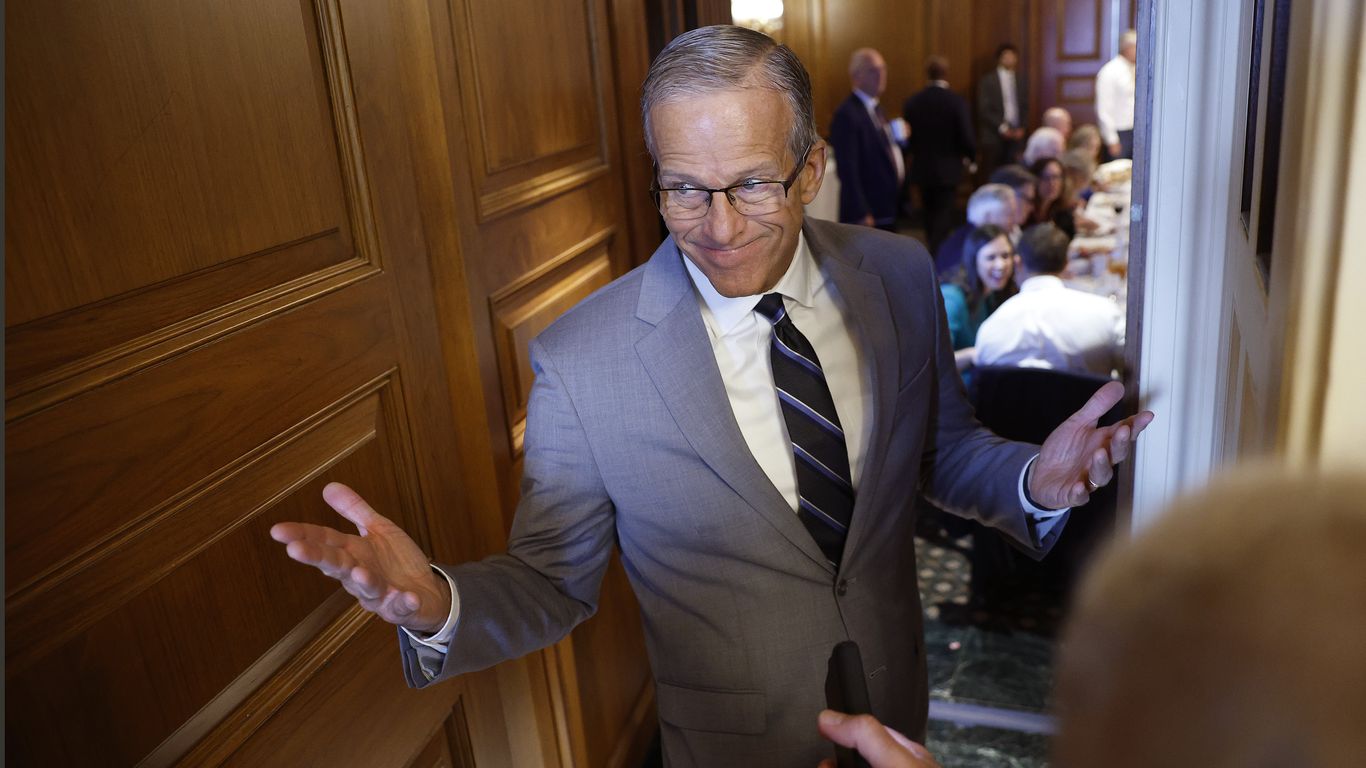
Senate Majority Leader John Thune is considering a new approach to fund the Pentagon and pay the military by bringing full-year appropriations bills to the floor for a vote. With bipartisan talks on a short-term spending bill at a standstill, Thune is exploring alternative options. Senate Appropriations Chair Susan Collins supports this strategy, suggesting that completed appropriations bills should be promptly considered. However, Senate Appropriations Ranking Member Patty Murray noted that there are challenges in passing a full defense appropriations bill by Oct. 15, potentially causing troops to miss a paycheck. Thune's willingness to consider a standalone Defense appropriations bill marks a shift from previous Republican insistence on passing a short-term spending bill to ensure troops are paid.
Meanwhile, Senate Minority Leader Chuck Schumer is discussing a Plan B with his members to reopen the government for seven to 10 days in case of a shutdown on Oct. 1. This contingency plan aims to address the potential shutdown and strategize on how to navigate the situation. On the other hand, Speaker Mike Johnson has ruled out taking up legislation to guarantee military paychecks during a government shutdown, emphasizing that the House has already addressed this issue. As the deadline approaches, the fate of military paychecks remains uncertain if Congress fails to act promptly.
In conclusion, the ongoing discussions among Senate leaders highlight the urgency of finding a solution to fund the Pentagon and ensure military pay during a potential government shutdown. The consideration of full-year appropriations bills and contingency plans underscores the need for bipartisan cooperation to address critical funding issues and prevent disruptions to essential services.