Exploring Ketamine-Assisted Psychotherapy for First Responders: A Novel Approach to Mental Health Treatment
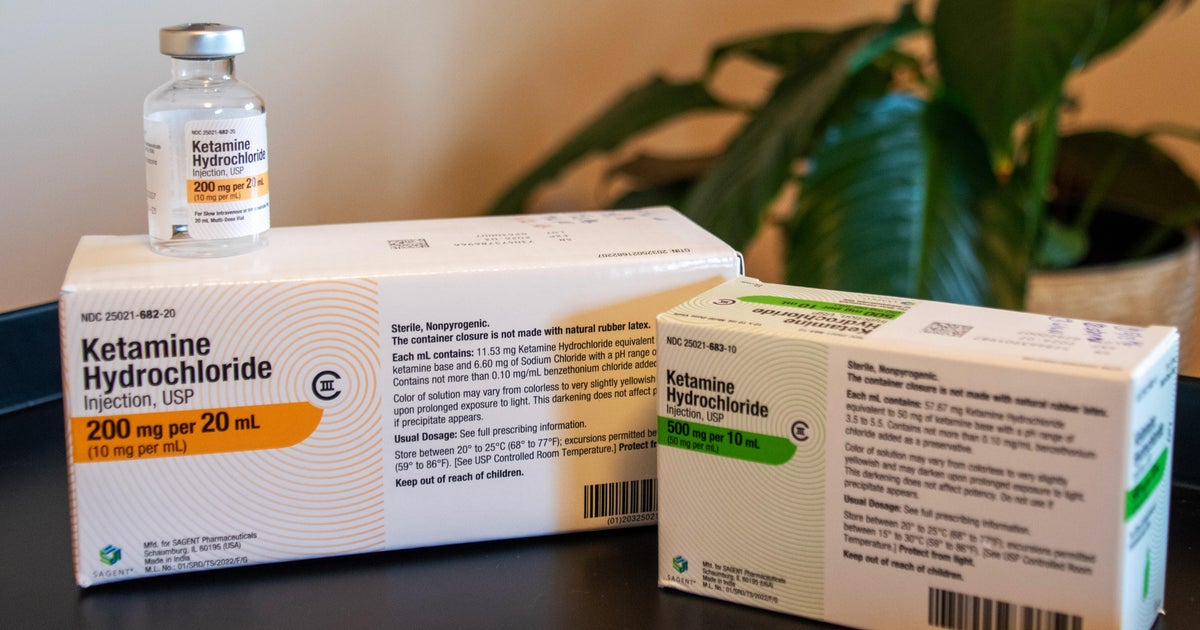
If you or someone you know is in a mental health crisis, contact the 988 Suicide & Crisis Lifeline by dialing or texting "988." In a rural community near Asheville, North Carolina, Waynesville Police Sgt. Paige Shell struggled with severe depression and thoughts of suicide after years of exposure to trauma in law enforcement. Traditional talk therapy did not work for her, leading her to try ketamine-assisted psychotherapy, a novel approach combining psychotherapy with low-dose ketamine, a dissociative drug. This treatment method is gaining traction in populations with high trauma rates, such as first responders like police officers and firefighters.
Law enforcement officers face a disproportionately high burden of trauma, with research indicating that they are exposed to significantly more traumatic events than the average adult. Rates of depression and burnout are also higher among police officers compared to the civilian population. Ketamine, originally approved as an anesthetic, has shown promise in rapidly reducing symptoms of depression in low doses. Despite the FDA approval of esketamine for treatment-resistant depression, the use of ketamine for psychiatric disorders remains off-label and largely unregulated.
While ketamine has demonstrated antidepressant effects, further research is needed to explore its potential role in treating post-traumatic stress disorder (PTSD). The regulatory environment surrounding ketamine is a concern, with varying state oversight and limited federal guidelines on dosing, administration methods, and safety protocols. The rise of over 1,000 ketamine clinics across the country and at-home treatments has prompted the FDA to issue warnings due to potential side effects and psychological risks associated with ketamine use.
Ketamine-assisted psychotherapy offers a unique approach for first responders who may be resistant to traditional therapy methods. By creating a mildly altered state of consciousness, ketamine allows individuals to view traumatic memories from a distance and process them differently. Despite its potential benefits, the cost of ketamine-assisted psychotherapy can be prohibitive for many, as most insurers do not cover the treatment. However, organizations like Responder Support Services provide mental health treatment exclusively to first responders, offering alternative funding options for those in need.
For Sgt. Paige Shell, undergoing ketamine sessions has been a challenging but transformative experience. While the treatment has not provided an instant cure, Shell has noticed improvements in her sleep, stress management, and overall well-being. Sharing her journey within her department has been difficult due to the stigma associated with seeking help in the police culture. The perception of ketamine as an illegal street drug or counterculture psychedelic adds another layer of complexity to its acceptance among law enforcement officers.