Senate Democrats Seek War Powers Act Vote to Block U.S. Strikes on Drug Boats Near Venezuela
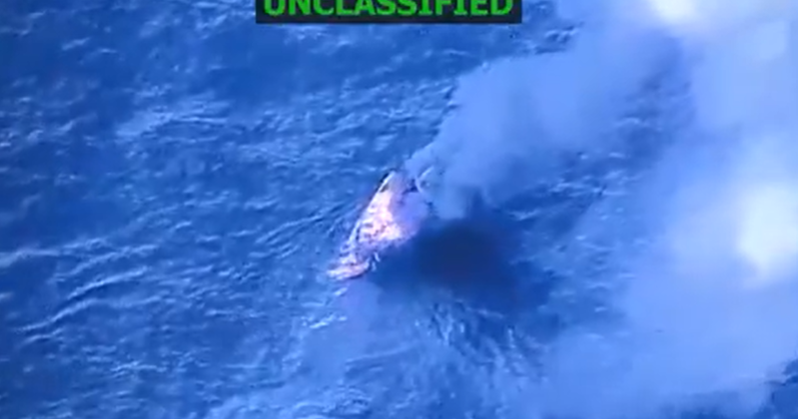
Senate Democrats are planning to push for a vote under the War Powers Act to block ongoing U.S. strikes on suspected drug-carrying boats near Venezuela. Led by Senators Adam Schiff and Tim Kaine, the resolution aims to prevent the military from engaging in hostilities with non-state organizations involved in illegal drug activities without congressional approval. The strikes have raised concerns about their legality and the risk of escalating tensions with Venezuela.
The Trump administration has conducted multiple strikes on alleged drug-trafficking boats near Venezuela, claiming to be in a non-international armed conflict with designated drug cartels. These actions have sparked bipartisan criticism, with lawmakers questioning the legal basis for the strikes and the lack of congressional authorization. The administration argues that the drug cartels pose a threat to U.S. citizens and justify the use of military force.
Designating drug cartels as terrorist organizations, the administration justifies the strikes as targeted actions against imminent threats to the United States. However, critics argue that the president lacks the legal authority to use force against designated organizations without congressional approval. The administration's rationale for the strikes and the intelligence supporting them have been questioned by lawmakers, urging a halt to military actions without proper authorization.
Under the War Powers Resolution of 1973, the president is required to consult Congress before engaging in hostilities, unless authorized by Congress. Failure to obtain congressional approval within 90 days mandates the withdrawal of forces. Republican Senator Rand Paul has been a vocal critic of the strikes, emphasizing the need for due process and congressional oversight in military actions. Congress's role in declaring war has been highlighted as essential to prevent unchecked executive power.
Efforts to reassert Congress's authority over military actions have been ongoing, particularly in response to escalating tensions in various regions. The need for congressional oversight and approval of military force has been underscored to prevent unilateral actions that could lead to unintended consequences. Congress's role in declaring war and overseeing military engagements is crucial to uphold the constitutional balance of power and prevent unauthorized military actions.
In conclusion, the debate over the U.S. strikes on alleged drug-carrying boats near Venezuela highlights the importance of congressional oversight and authorization in military actions. The War Powers Act serves as a mechanism to ensure that the president consults Congress before engaging in hostilities, emphasizing the need for checks and balances in the use of military force. Congressional action is essential to uphold the constitutional principles of war declaration and prevent unilateral military actions without proper authorization.