Supreme Court to Review Colorado's Conversion Therapy Ban: A Case of Free Speech vs. Child Safety
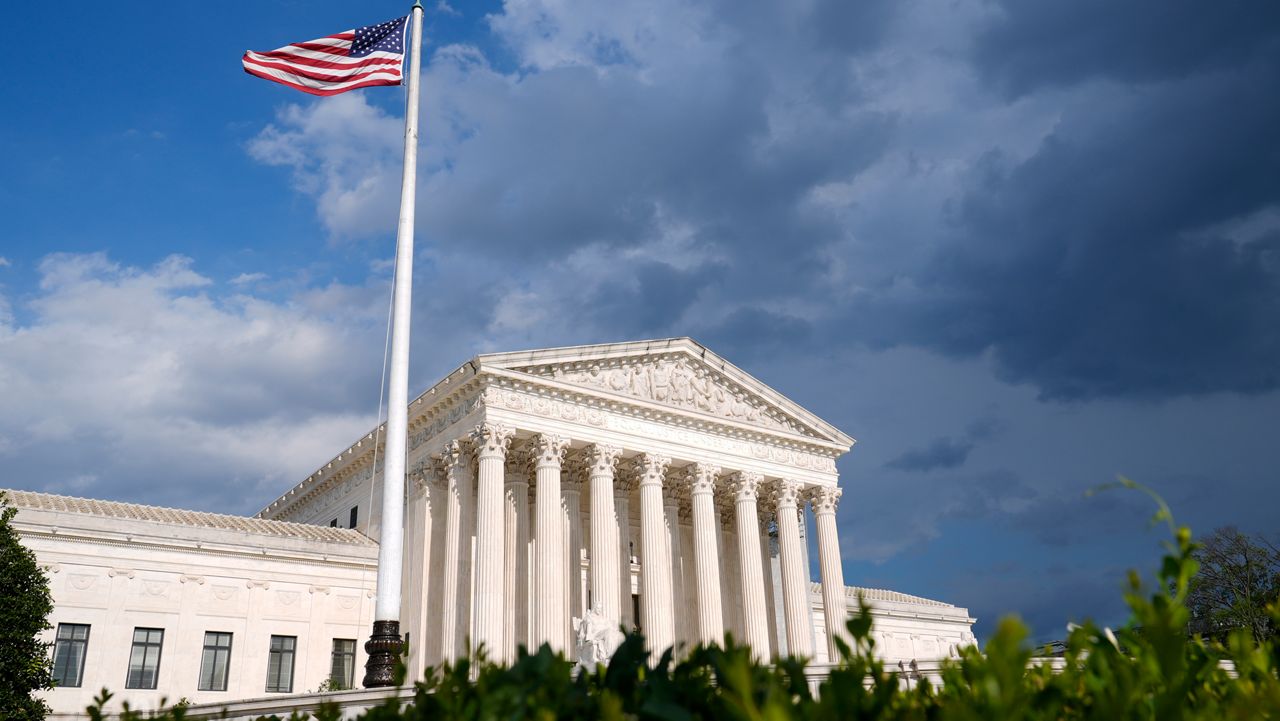
The Supreme Court is set to review a case regarding the legality of bans on conversion therapy for children in nearly half of U.S. states. The lawsuit challenges a Colorado law that prohibits therapy aimed at changing sexual orientation or gender identity, arguing that it infringes on freedom of speech. The state, however, maintains that the law regulates licensed therapists to prevent harmful practices.
Colorado's law, enacted in 2019, exempts religious ministries and allows therapists to have discussions with young patients about gender and sexuality. The law prohibits therapists from attempting to change a minor's sexual orientation or gender identity, citing safety concerns and ineffectiveness. Violating the law can result in fines and license suspension.
The case has personal implications for individuals like Linda Robertson, a Christian mother whose son underwent conversion therapy and suffered severe emotional distress. The counselor challenging the law argues that her approach is different from harmful conversion therapy practices and believes in helping individuals live in accordance with their biological sex. The Trump administration has raised First Amendment concerns about the law.
The Alliance Defending Freedom, representing the counselor, contends that the law infringes on free speech rights and should be subject to a higher legal standard. However, the state argues that regulating discredited health care practices for children is within its authority. The Supreme Court agreed to hear the case after conflicting rulings in different appeals courts.
Legal battles over conversion therapy bans have occurred in various states, with some courts upholding the bans while others have struck them down. The outcome of this case could have significant implications for the regulation of conversion therapy and the protection of LGBTQ+ youth.