Federal Judge Blocks Trump Administration's Diversion of $34 Million in Transit Security Funds for New York City
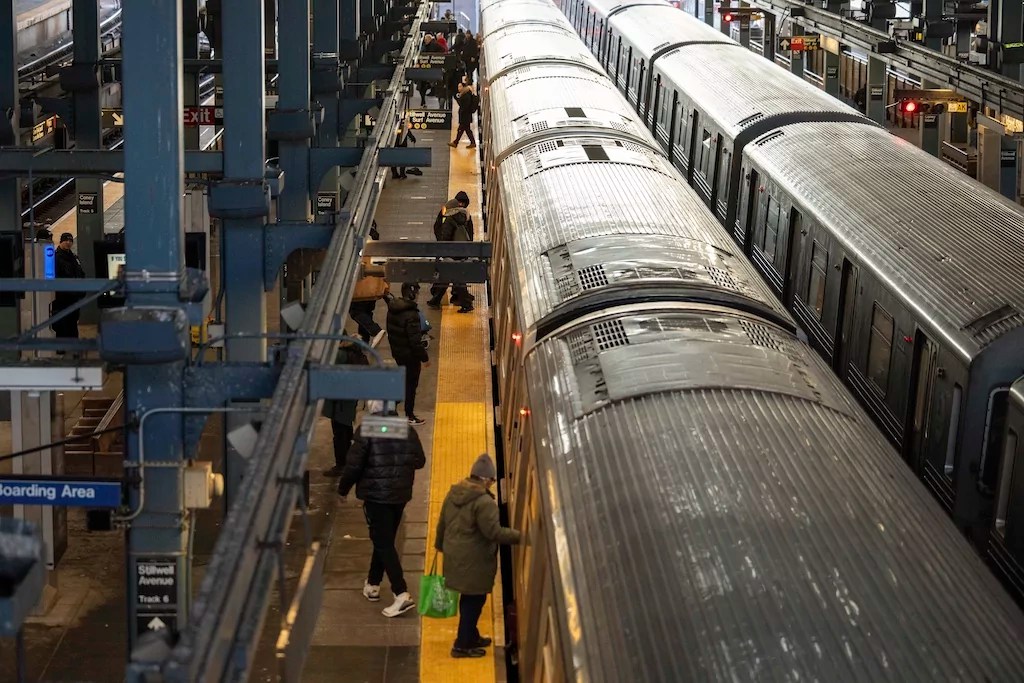
A federal judge has issued a ruling blocking the Trump administration from redirecting approximately $34 million in funding meant to safeguard New York's transit system against terrorism threats. Judge Lewis A. Kaplan emphasized the significance of protecting the city from security risks, particularly in light of past terrorist attacks like 9/11 and the 1993 World Trade Center bombing. The judge suggested that the state is likely to succeed in proving that the funds were being inappropriately diverted as a form of punishment for not aligning with the administration's immigration policies.
The judge highlighted the ongoing security concerns faced by New York, referencing the failed attempt to try Khalid Sheik Mohammed, a key figure in the 9/11 attacks, in the city. The temporary restraining order preventing the fund diversion will be in place until October 15, giving time for further consideration of New York's request for a permanent injunction against the cuts. The state's lawsuit against the Department of Homeland Security and FEMA argues that the Rail and Transit Security Grant Program, established after 9/11, is crucial for protecting transit systems from various threats.
Governor Kathy Hochul condemned the funding diversion as a political retaliation and an assault on New York and its residents. The city's Police Department Commissioner, Jessica Tisch, warned that cutting these resources during a time of heightened global threats could significantly jeopardize public safety. The Trump administration's decision to reduce federal counterterrorism funding for the city police from $90 million to around $10 million was described as deeply concerning and potentially detrimental to the city's security efforts.
In conclusion, the ruling by Judge Kaplan serves as a temporary safeguard against the diversion of critical funds intended for protecting New York's transit system from terrorism threats. The ongoing legal battle underscores the importance of maintaining adequate resources to ensure the safety and security of the city and its residents. The outcome of this case will have significant implications for New York's ability to effectively combat security risks and respond to potential threats in the future.