Federal Law Enforcement Surge: Impact on Crime and Immigration Enforcement in Washington, D.C., Memphis, and Louisiana
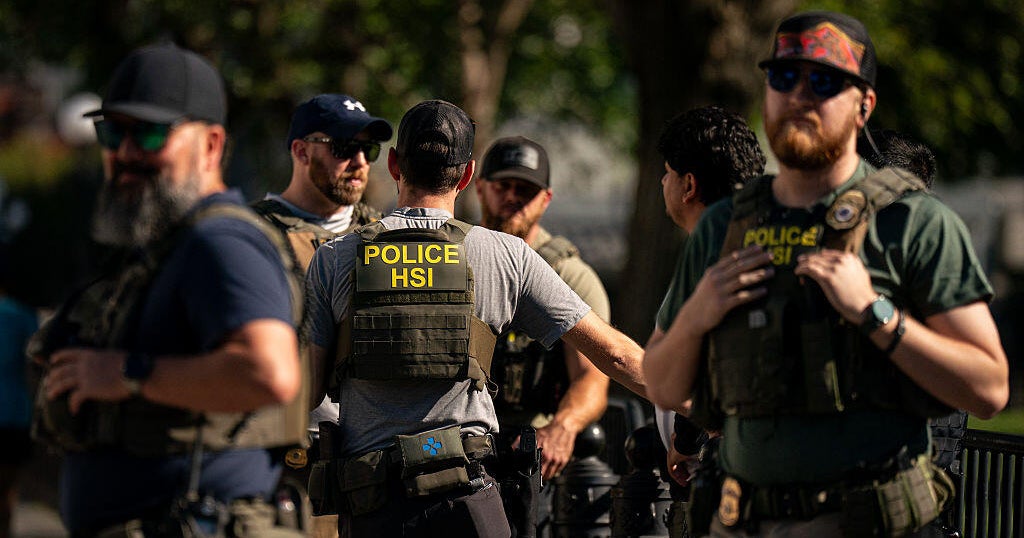
A federal law enforcement surge in Washington, D.C., initiated by President Trump to combat violent crime, has resulted in over 3,500 arrests since early August. Nearly 40% of these arrests were immigration-related, with U.S. Immigration and Customs Enforcement (ICE) making around 1,400 administrative arrests. The operation also led to the arrest of homicide suspects, narcotics offenders, individuals with firearms-related charges, and sex-related crime suspects. Additionally, over 300 illegal guns were seized, and numerous citations were issued.
The deployment of federal and local law enforcement personnel in Washington involved various agencies, including ICE, Homeland Security Investigations, the National Guard, and the FBI. Despite the expiration of the emergency order requiring local police to assist federal officials, immigration and federal agents continue to operate in the district. The Metropolitan Police Department maintains a policy allowing officers to share information with federal immigration officials and transport detainees.
A similar law enforcement surge is underway in Memphis, Tennessee, with 650 personnel from federal and state agencies making 93 arrests, including criminal and civil immigration arrests. The deployment includes agents from Homeland Security Investigations, U.S. Customs and Border Protection, and Federal Protective Services. President Trump signed an order establishing a federal task force in Memphis to address crime, resulting in a 32% decrease in violent crime compared to the previous year.
In Tennessee, state law mandates cooperation between local police and federal immigration enforcement, prohibiting sanctuary policies. More than 20 agencies participate in ICE's 287(g) program, deputizing local officers for immigration enforcement. While local leaders in Memphis focus on crime control, concerns have been raised about the impact of increased federal law enforcement on immigrant communities. Civil rights groups like the ACLU warn of potential consequences for residents during routine interactions with law enforcement.
Louisiana Governor Jeff Landry has requested up to 1,000 National Guardsmen to deploy in the state to enhance law enforcement presence in high-crime areas and secure critical infrastructure. The deployment of federal task forces in Washington, D.C., and Memphis reflects ongoing efforts to address crime and immigration enforcement, raising concerns about the impact on communities and residents.