Addressing Mississippi's Infant Mortality Crisis: The Urgent Need for Improved Maternal Health Care
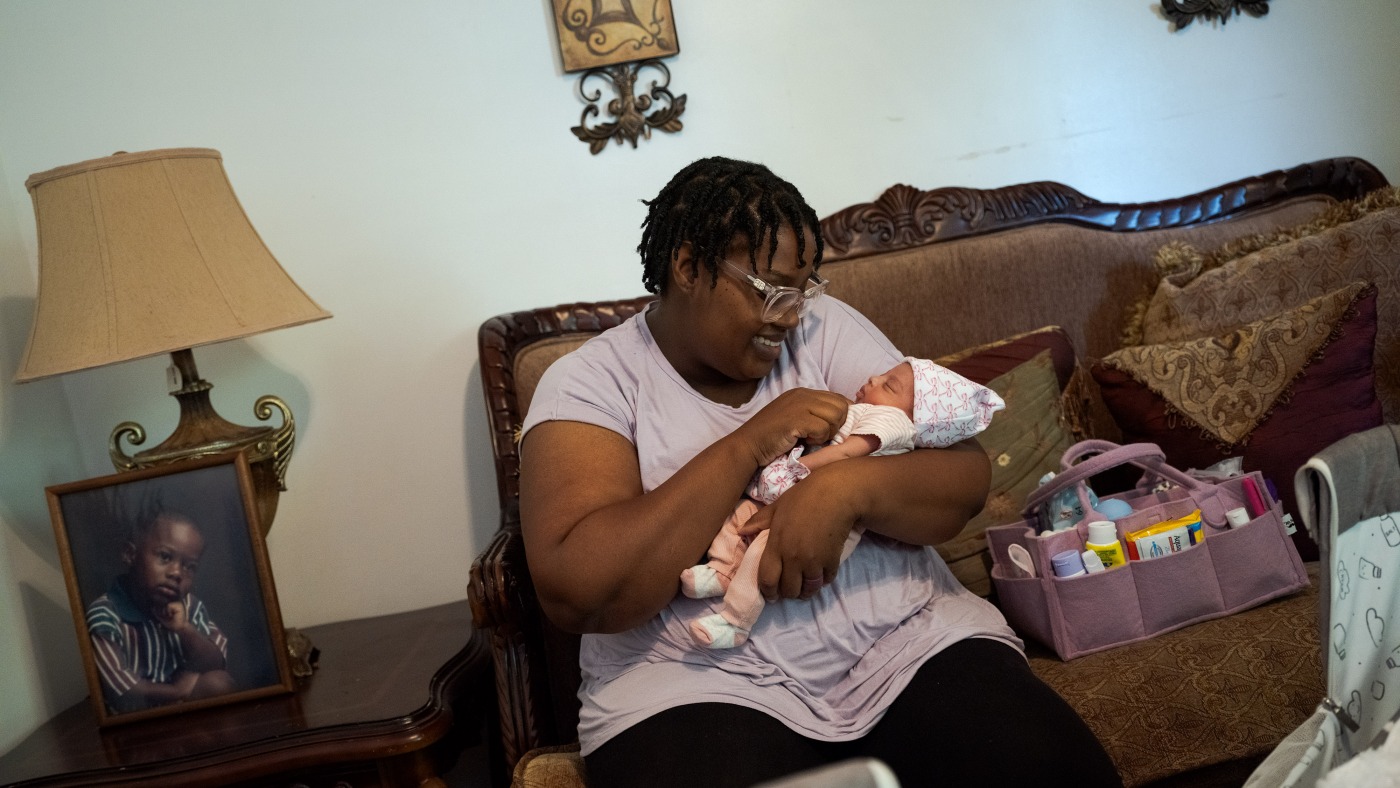
Mississippi's high infant mortality rate has prompted public health officials to declare a state of emergency. The rate, particularly alarming for Black babies, is among the highest in the country. The crisis has drawn attention to the need for improved maternal health care nationwide, with advocates warning that the U.S. is a dangerous place for giving birth. As Medicaid access faces potential cuts, concerns grow that infant mortality rates could worsen across the country.
Preterm birth is a significant factor in infant mortality, with specialized care crucial for the survival of premature babies. Efforts are underway in Mississippi to enhance access to care for preemies, but experts emphasize the importance of addressing maternal health to prevent preterm births. Chronic conditions like diabetes and high blood pressure can contribute to preterm birth, highlighting the need for comprehensive maternal care.
Many women in Mississippi face challenges accessing prenatal care due to limited healthcare options and financial constraints. Lack of insurance remains a significant barrier to receiving care, with Medicaid expansion seen as a critical step in addressing the crisis. The state's new initiatives aim to make prenatal care more accessible through telehealth and local public health departments, but the need for Medicaid access remains a pressing issue.
The lack of insurance coverage hinders many women from receiving timely prenatal care, leading to increased risks during pregnancy. Medicaid expansion could provide low-income women with insurance before pregnancy, improving their access to essential care. As the federal budget threatens Medicaid coverage for millions, concerns mount that infant mortality rates could rise further, underscoring the urgency of addressing maternal health disparities.
Despite efforts to improve access to care, some losses remain unexplained, leaving families devastated. The emotional toll of infant mortality is profound, with grieving parents struggling to make sense of their loss. Addressing the root causes of infant mortality, including disparities in maternal health care, is essential to prevent further tragedies and ensure the well-being of mothers and babies nationwide.