Taylor Swift: Navigating Success and Evolution in the Music Industry
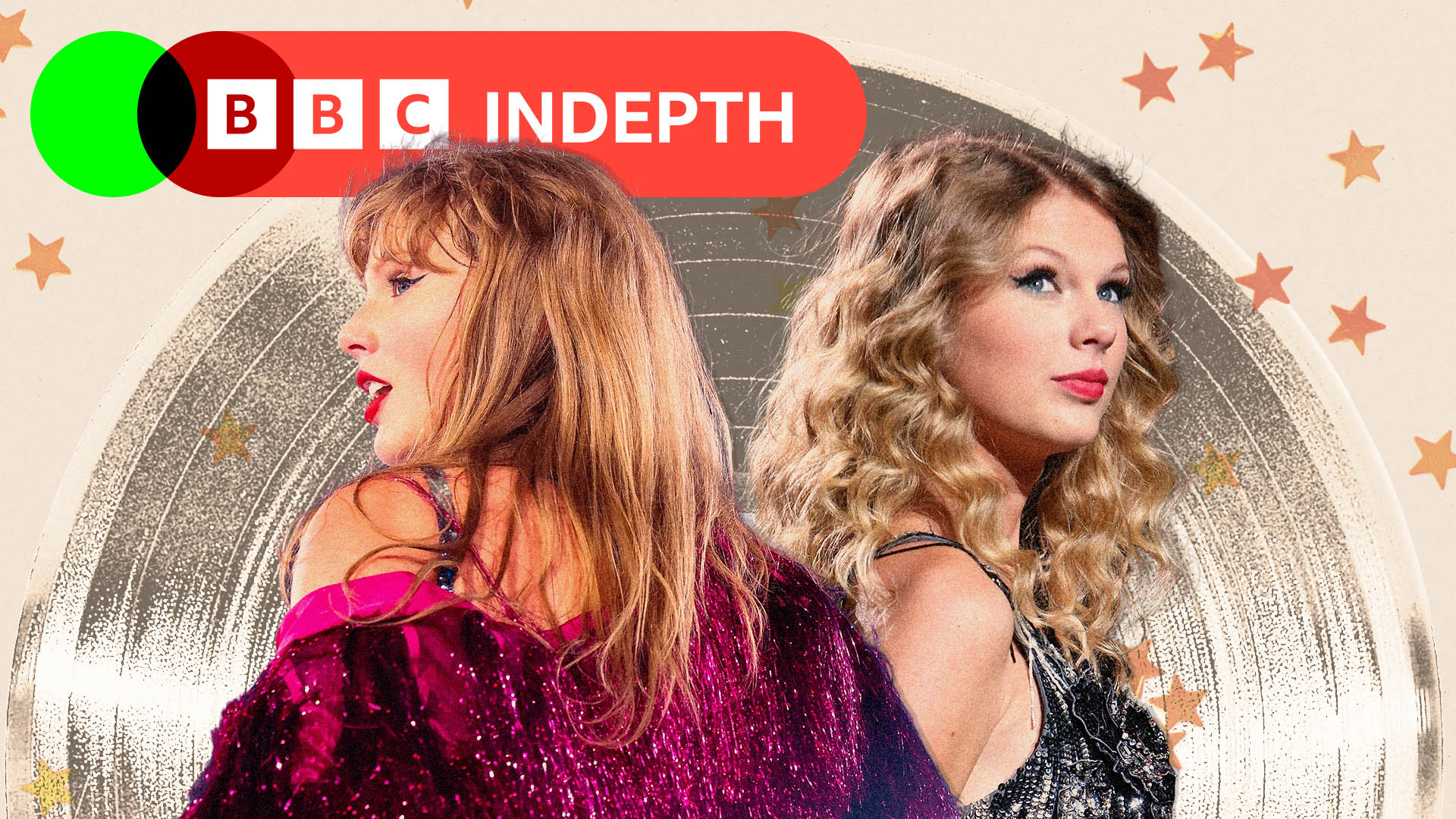
Taylor Swift released her 11th studio album, The Tortured Poets Department, last year, featuring 31 tracks delving into heartbreak and fame pressures. Despite mixed reviews, the album became Spotify's most-streamed in a day and topped UK sales charts. Swift's upcoming album, The Life of a Showgirl, is highly anticipated, with record pre-saves and sold-out vinyl pre-orders.
At 35, Swift's success seems unstoppable, with a massive fan base and ownership of her creative rights. She has cultivated loyal 'Swifties' and maintained control over her public image by limiting mainstream interviews. Swift's ability to reinvent herself and navigate the music industry sets her apart, as seen in her ownership of music rights and recent acquisition of her master's rights.
Swift's business dealings have influenced other artists, but opinions on her actions vary. While some praise her control over her music, others question her motives. Swift's dominance in the music industry has raised questions about her future, especially with her impending marriage and evolving lyrical themes. However, her multi-generational fan base and evolving songwriting depth continue to resonate with audiences.
As musical tastes shift towards imperfection and uncertainty, Swift's polished image may face challenges from artists embracing chaos and emotional turmoil. The rise of singers like Olivia Rodrigo and Lola Young reflects a new mood of apathy and rebellion, contrasting with Swift's more refined persona. Swift's success and cultural relevance may face scrutiny as she navigates changing trends and perceptions in the music industry.