Debunking Misinformation: The Truth About Health Care Access for Immigrants in the Government Shutdown Debate
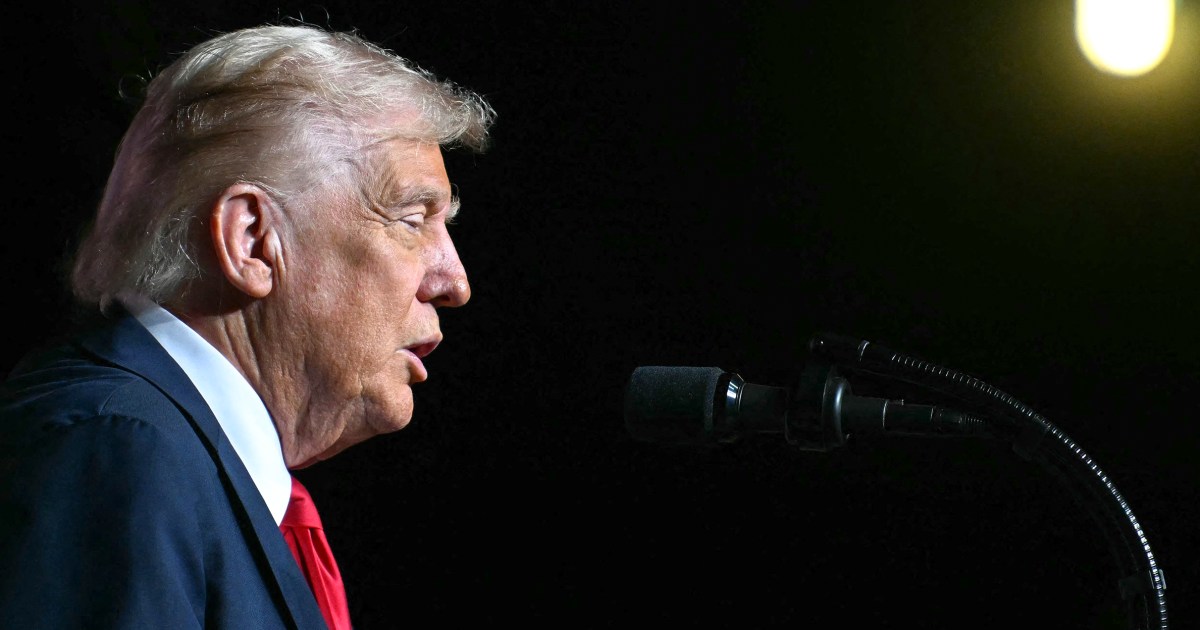
The current government shutdown has sparked a heated debate between Republicans and Democrats, with Republicans accusing Democrats of stalling the government to provide free health care to illegal immigrants. This argument has been reinforced by GOP lawmakers and the Trump administration, who claim that the Democratic bill aims to restore health funding for unauthorized immigrants. However, existing U.S. law already prohibits unauthorized immigrants from receiving federally subsidized health care coverage.
House Minority Leader Hakeem Jeffries has accused Republicans of spreading falsehoods about the Democratic bill, emphasizing that Democrats have no intention of changing federal law regarding health care coverage for unauthorized immigrants. The crux of the issue lies in immigrants classified as "lawfully present" by the federal government, who are not undocumented or illegal immigrants but are still navigating the legal process to obtain official status.
The Republican assertion that the Democratic bill would grant health care access to undocumented immigrants is misleading. The bill seeks to restore health care eligibility for "lawfully present" immigrants, such as DACA beneficiaries, individuals with Temporary Protected Status, and refugees, while also reversing Medicaid cuts. The White House has defended its stance by highlighting a section of the bill that limits health care access for these "lawfully present" immigrants.
As the debate continues, it is crucial to understand the nuances of the issue and differentiate between undocumented immigrants and those who are lawfully present in the U.S. The Democratic bill does not aim to provide health care benefits to unauthorized individuals but rather seeks to address the health care needs of certain immigrant groups who are legally recognized by the government.