Assessing the Impact of the Department of Government Efficiency (DOGE) on Federal Operations and Spending
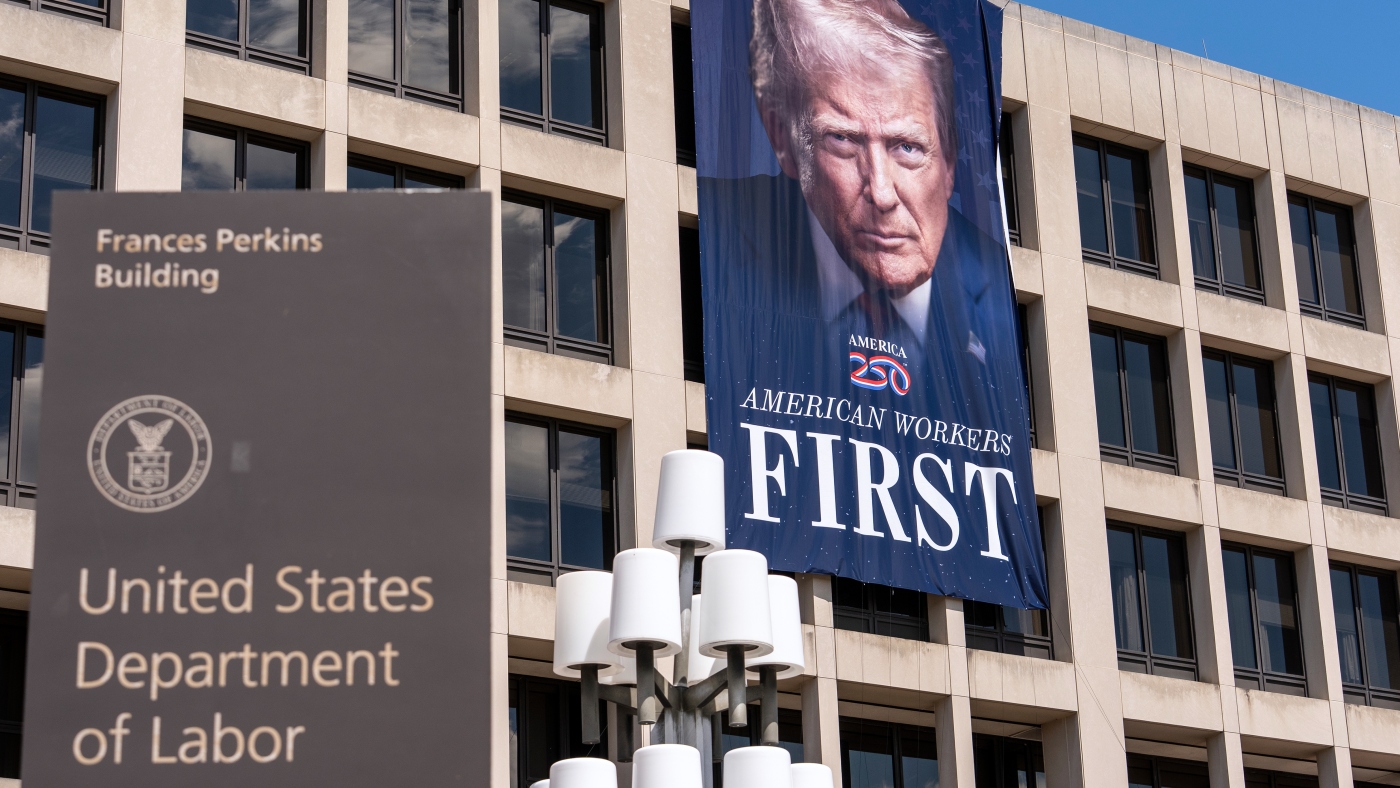
The initiative known as the Department of Government Efficiency (DOGE) has fallen short of its promises to reduce costs and enhance efficiency, according to NPR's analysis of federal data. Despite efforts to downsize workforces, agencies are now rehiring hundreds of workers to cope with operational challenges and fulfill President Trump's policy objectives. Contrary to DOGE's claims of cost savings through contract cancellations and lease terminations, recent Treasury data shows a significant increase in government expenditures, particularly in debt service, national defense, and entitlement programs like Social Security and Medicare.
Since its inception, DOGE's savings and efficiency tracker has been plagued by inaccuracies and unverifiable assertions. The White House asserts that President Trump is committed to eliminating waste, fraud, and abuse in the federal government, leading to improved efficiency and service delivery. However, questions about rehiring practices, increased spending, and data accuracy remain unanswered by the White House.
The ad-hoc nature of DOGE's implementation has been further complicated by a government shutdown, prompting discussions about broader job cuts that bypass congressional oversight. The Office of Personnel Management estimates that up to 300,000 federal employees, primarily through voluntary means, could be affected by workforce reductions. While some agencies are rehiring employees who were previously let go, others are grappling with real estate challenges following lease cancellations.
As the government shutdown looms, federal workers face uncertainty about their job security and operational continuity. The administration's push for increased immigration enforcement has been hindered by the firing of immigration judges, exacerbating staffing shortages in critical areas. Despite claims of cost savings and efficiency gains, the federal deficit has continued to grow, raising questions about the effectiveness of DOGE's initiatives.
In light of ongoing challenges and uncertainties, federal employees are navigating a shifting landscape of workforce reductions and operational disruptions. The impact of DOGE's efforts on government spending and service delivery remains a subject of debate and scrutiny. As the federal government grapples with fiscal constraints and operational changes, the need for transparent and effective management practices becomes increasingly apparent.