US Judge Rules Trump Administration Violated Constitution by Chilling Free Speech on College Campuses
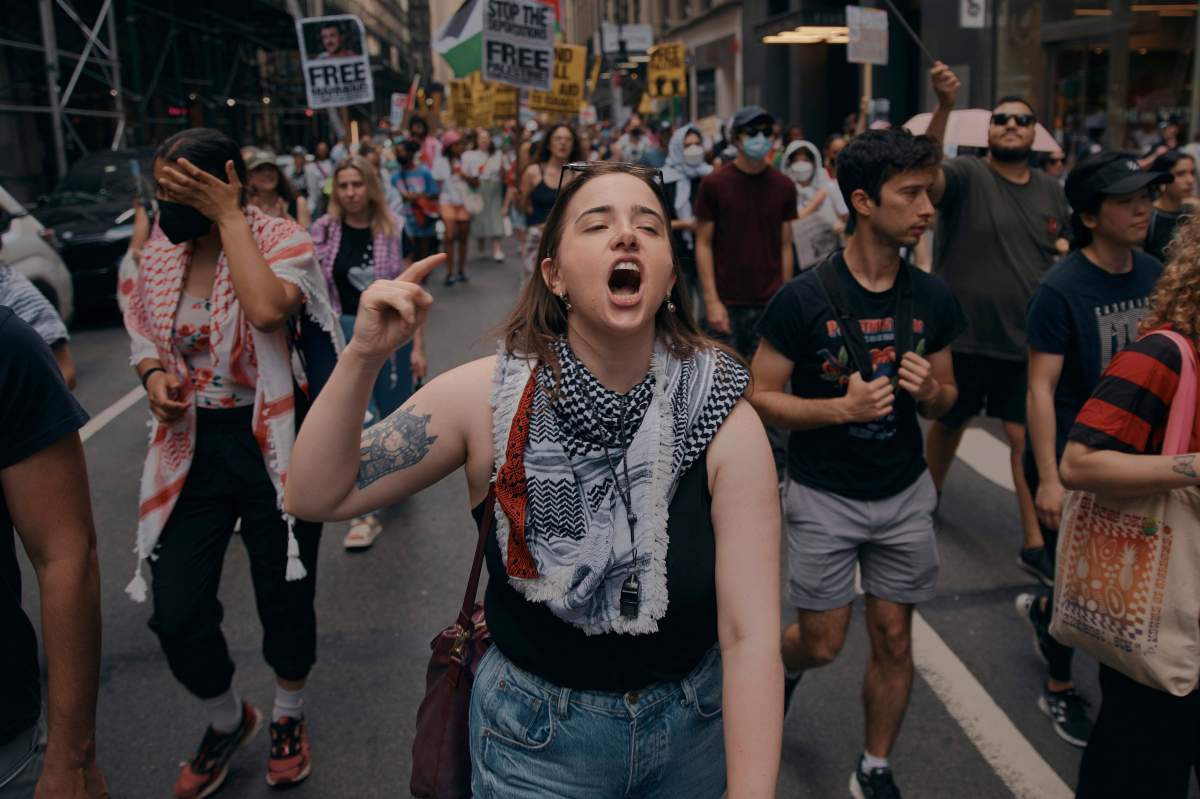
A recent ruling by a US judge in Boston found that the Trump administration violated the US Constitution by chilling free speech on college campuses. The administration had adopted a policy of revoking visas and arresting, detaining, and deporting foreign students and faculty engaged in pro-Palestinian advocacy. The judge's decision focused on the unlawfulness of the administration's policy, with further remedies to be determined later in the case.
The ruling came after a trial where university faculty groups challenged the administration's actions as part of its strict immigration agenda. The administration had canceled visas and ordered arrests of students and scholars, including cases like Rumeysa Ozturk, a Tufts University student detained for criticizing her school's response to Israel's actions in Gaza. Judges have since ordered the release of detained students, citing violations of their free speech rights under the First Amendment.
The case was brought by the American Association of University Professors and its chapters at Harvard, Rutgers, and New York University, along with the Middle East Studies Association. They argued that the administration targeted pro-Palestinian advocates on campuses following executive orders from Trump to combat antisemitism and protect Americans from non-citizens with hateful ideologies. The faculty groups contended that the administration's actions infringed on constitutional protections for political speech.
In response, the Department of Justice under Trump denied the existence of an ideological deportation policy and defended the administration's enforcement of immigration laws as necessary for national security and protecting Jewish students. The judge's ruling highlighted the importance of upholding free speech rights on college campuses and preventing government actions that stifle political advocacy.
In conclusion, the judge's decision to find the Trump administration in violation of the Constitution for chilling free speech underscores the ongoing debate over the balance between national security concerns and protecting individuals' rights to express their political views on college campuses. The case serves as a reminder of the importance of upholding constitutional protections for free speech in academic settings.