Risks and Consequences of Fetal Personhood Laws: The Criminalization of Pregnancy and Miscarriage
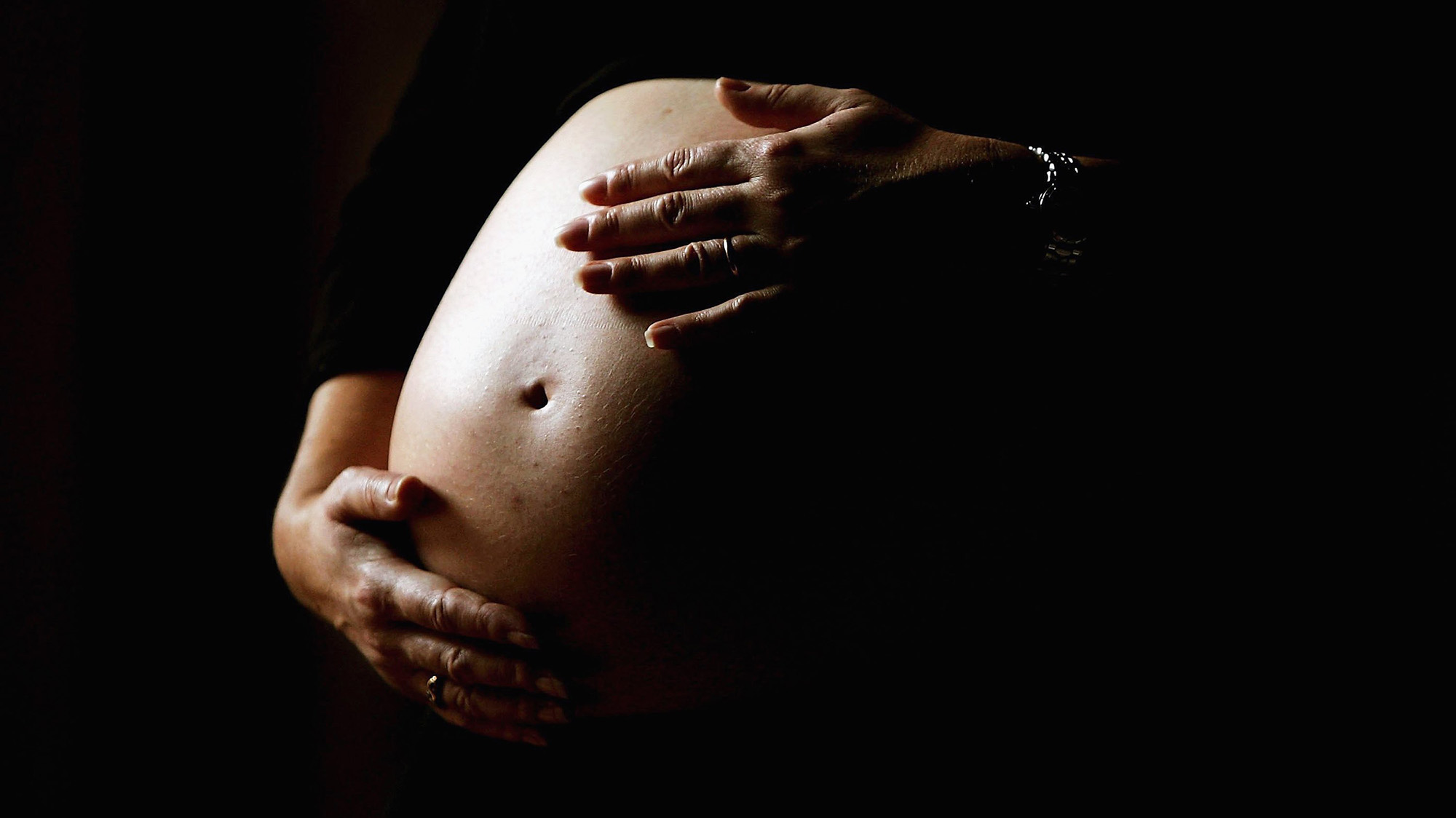
Republican state legislatures and conservative courts are increasingly granting legal rights to fetuses, leading to severe consequences for pregnant individuals. A recent incident involving a woman named Sasha, who experienced a miscarriage in South Carolina, highlights the troubling implications of this trend. Despite facing a medical emergency, Sasha was reported to authorities by her healthcare providers, ultimately resulting in her arrest for improper disposal of the pregnancy remains.
The arrest of Sasha is just one example of a larger pattern of pregnancy-related prosecutions across the country. According to a report by Pregnancy Justice, at least 412 individuals have been charged with crimes related to their pregnancies, pregnancy losses, or live births between June 2022 and June 2024. These cases reflect a concerning reality where being pregnant can lead to criminal liability, especially in states where legal rights to fetuses have been expanded through "fetal personhood" laws.
The prosecutions documented by Pregnancy Justice span 16 states, with many occurring in states that have enacted laws granting legal rights to unborn children. In Alabama, for instance, the state supreme court's decision to recognize frozen embryos as "extrauterine children" with inalienable rights has had significant implications for fertility clinics and pregnant individuals. The majority of charges in these cases involve allegations of abuse, neglect, or endangerment, often related to substance use during pregnancy.
One such case involved Catherine, a woman in Alabama who was arrested for a pregnancy-related drug charge despite not knowing she was pregnant. Her experience underscores the complexities and nuances surrounding pregnancy and substance use, as well as the potential harms of criminalization in such situations. Experts argue that criminalizing pregnant individuals for their behavior during pregnancy does not improve health outcomes and can deter individuals from seeking necessary care.
The risks of criminalization were evident in Tennessee, where a law allowing prosecutors to bring aggravated assault charges against pregnant individuals for drug use while pregnant led to negative consequences, including a decline in prenatal care and an increase in fetal deaths. The law's disproportionate impact on marginalized communities ultimately led to its repeal in 2016. Concerns about the potential for further prosecution of pregnant individuals based on limited research findings, such as the link between acetaminophen use and autism, raise additional alarms about the erosion of pregnant individuals' rights.
Medical facilities and personnel have played a significant role in the surveillance and reporting of pregnancy-related crimes, contributing to the prosecution of pregnant individuals like Brittany Watts in Ohio. Watts' experience of being reported to the police by hospital staff after experiencing a miscarriage highlights the intrusive and harmful consequences of the criminalization of pregnancy loss. Similarly, Amari Marsh faced serious charges following a home miscarriage in South Carolina, underscoring the lack of understanding and awareness around miscarriages in the legal system.
The enduring consequences of pregnancy-related prosecutions, even when charges do not result in convictions, can have lasting impacts on individuals like Watts and Catherine. These individuals may face reputational harm, public humiliation, and emotional distress as a result of being prosecuted for events beyond their control. The fear of legal repercussions may also deter pregnant individuals from seeking necessary medical care, ultimately leading to worse outcomes for both them and their fetuses.
In conclusion, the increasing trend of granting legal rights to fetuses has created a dangerous environment where pregnant individuals are at risk of criminalization for events related to their pregnancies. The stories of individuals like Sasha, Catherine, and Watts highlight the urgent need to reevaluate the criminalization of pregnancy loss and substance use during pregnancy to ensure the protection of pregnant individuals' rights and well-being.