Earthquake Strikes the Philippines: Assessing the Impact and Ensuring Safety
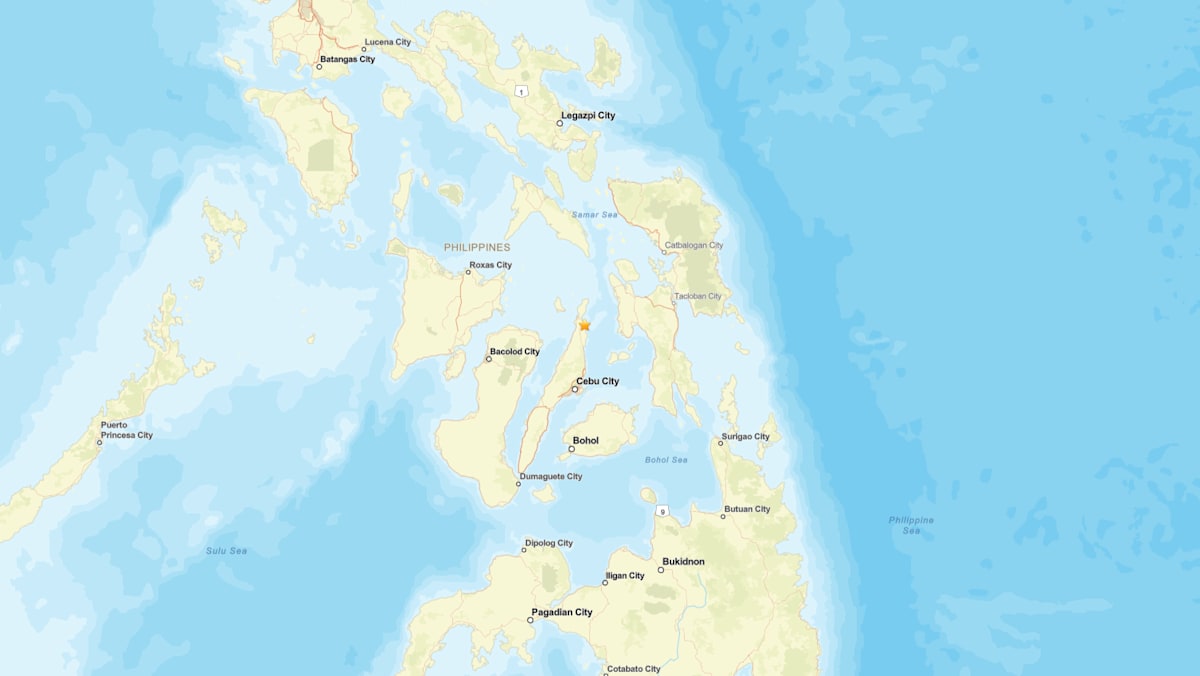
A strong 6.9 magnitude earthquake hit the Philippines late Tuesday evening, with its epicenter located near Calape, Bohol province. The quake occurred at a shallow depth, increasing the likelihood of significant shaking on land. Calape is situated in the central Philippines, close to Cebu City and Tacloban, which was severely affected by Super Typhoon Haiyan in 2013.
The region is a popular tourist spot, known for attractions like the Chocolate Hills and white-sand beaches. Despite the earthquake, there is currently no tsunami threat as confirmed by monitoring agencies. The Philippines is located along the seismically active boundaries of the Philippine Sea Plate, which has a history of producing deadly earthquakes and tsunamis.
The country has experienced devastating events like the 1976 Moro Gulf earthquake and tsunami, which claimed over 5,000 lives, and the 1990 Luzon earthquake that left 2,400 dead. Authorities are now evaluating the extent of damage and potential aftershocks in the affected areas across the Visayas region. Stay tuned for updates on the situation.
In conclusion, the recent earthquake in the Philippines has raised concerns about the safety and preparedness of the region. As authorities continue to assess the impact of the quake, it serves as a reminder of the country's vulnerability to seismic activity. Stay informed and stay safe during these uncertain times.