Consequences of Aid Suspension: A Tragic Tale from Congo and Global Health Supply Chain Challenges
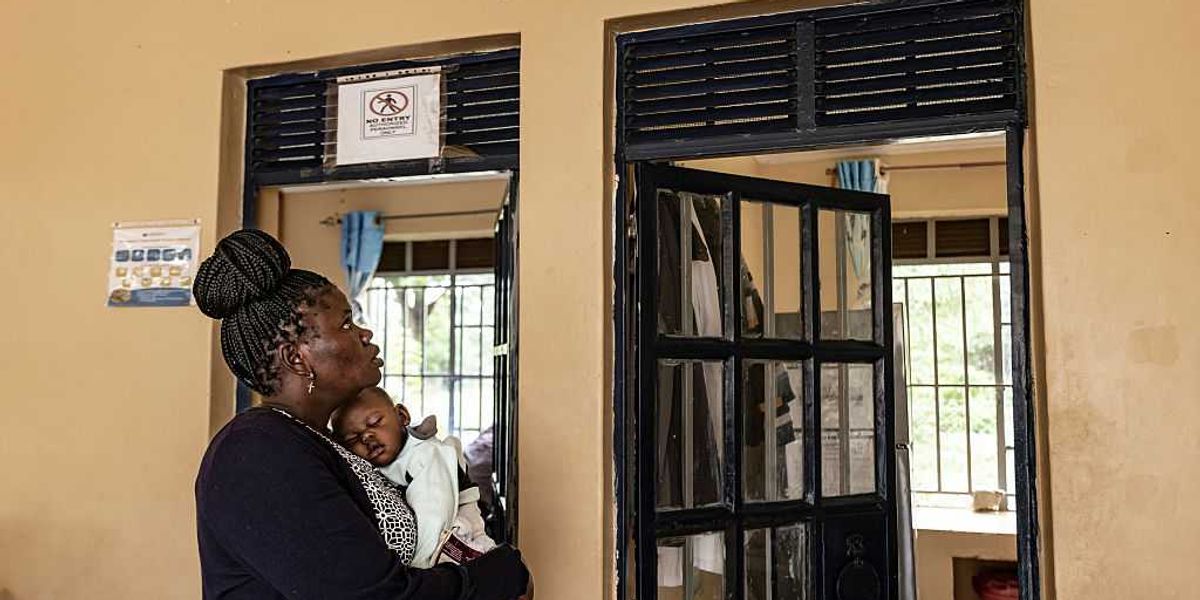
A 5-year-old girl named Suza Kenyaba in the Democratic Republic of Congo was tragically lost to malaria due to delays in aid delivery caused by a suspension of foreign aid by President Donald Trump. The medication she needed was stranded in a warehouse just miles away from the clinic where she was being treated. The suspension of aid had severe consequences, leading to disruptions in the delivery of medications and other lifesaving supplies to over 40 countries, including Congo. The delays left clinics and hospitals without critical supplies, resulting in increased deaths from malaria and other preventable diseases.
The Global Health Supply Chain Program, funded by U.S. taxpayers, faced significant challenges in resuming aid deliveries after the suspension. The disruption in the supply chain had a profound impact on the delivery of medications, rapid screening tests, and other essential supplies. The delays and disruptions in aid delivery had devastating consequences, with some health supplies not reaching their intended destinations, including the medication needed by Suza.
The suspension of aid programs, including the President’s Emergency Plan for AIDS Relief (PEPFAR) and the President’s Malaria Initiative (PMI), had far-reaching effects on global health efforts. The abrupt elimination of these programs led to concerns about the resurgence of HIV and the development of drug-resistant strains of the virus. The disruptions in aid delivery were compounded by challenges in restarting the supply chain, leading to delays in the delivery of critical medical supplies.
The impact of the aid freeze extended beyond Congo, affecting countries like Sudan, Bangladesh, Gaza, Syria, and Myanmar. The cuts in aid could potentially result in the unnecessary deaths of millions of people, including children under the age of 5. The Trump administration faced criticism for its aid policies, with concerns raised about the negative impact on global health efforts and the well-being of vulnerable populations.
Despite initial challenges in restarting aid programs, efforts were made to resume the delivery of lifesaving humanitarian assistance. The delays in aid delivery had devastating consequences, with individuals like Suza and Gilbert Kayombo, a 7-year-old boy with HIV, suffering due to the lack of essential medications. The disruptions in aid delivery highlighted the critical importance of maintaining a reliable and efficient supply chain for global health initiatives.
In conclusion, the suspension of foreign aid had severe consequences for countries like Congo, leading to disruptions in the delivery of critical medical supplies and an increase in preventable deaths. The challenges in restarting aid programs underscored the importance of maintaining a robust supply chain for global health efforts. Efforts to improve aid delivery and ensure the timely distribution of lifesaving supplies are crucial in addressing health crises and saving lives around the world.