Trump's Troubling Troop Deployment Decisions: The Case of Portland
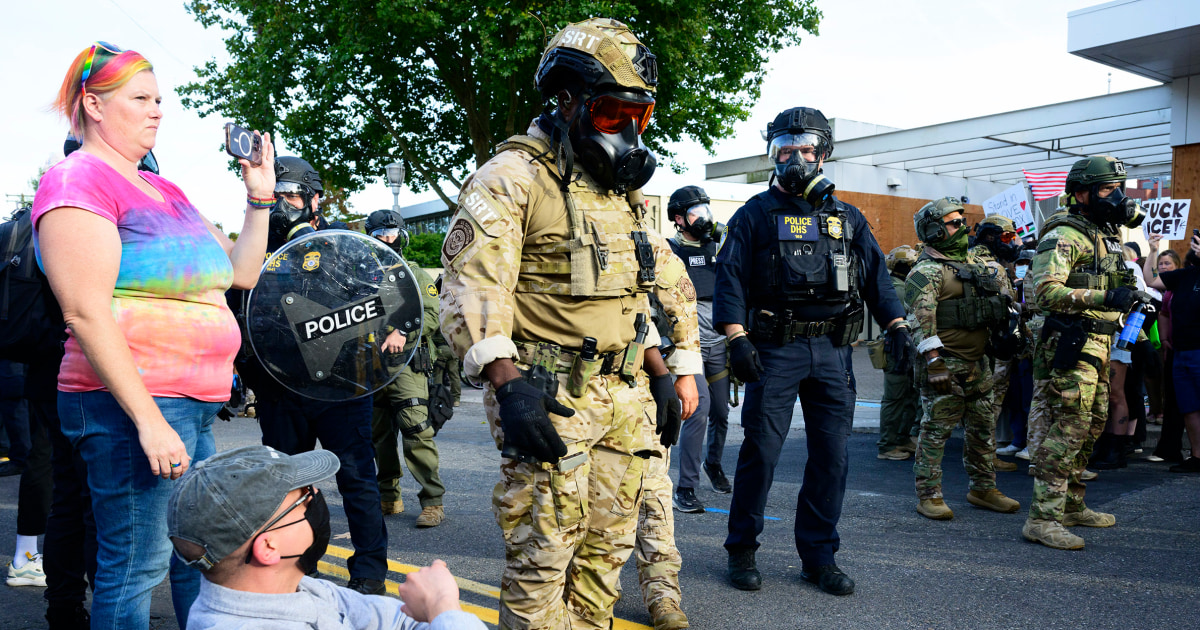
Last week, President Donald Trump made remarks claiming positive feedback for deploying National Guard troops to Memphis, Tennessee, even though the deployments had not occurred yet. This raised concerns about which city might be targeted next by the White House. Subsequently, Trump mentioned authorizing "Full Force" if necessary, hinting at the use of military force against Americans on American soil, leading to uncertainty about the type of troops to be deployed and the timing of such actions. The president's announcement prompted Oregon and Portland to sue the administration to prevent the deployments, with the case showing promise of success.
The decision to target Portland for potential troop deployments raised questions about the city's actual situation, as Trump described it as "war ravaged" and "under siege" to justify protecting local ICE facilities. However, the president's real motivation seems to stem from images he saw on television, indicating a disconnect between reality and perception. Trump's reliance on televised images to inform his decisions adds complexity to an already troubling situation.
In conclusion, the questionable remarks and actions by President Trump regarding potential troop deployments to American cities, particularly Portland, highlight the need for clarity and transparency in decision-making processes. The discrepancy between the president's portrayal of cities and the actual circumstances raises concerns about the basis for such decisions and underscores the importance of accurate information in shaping policy.