Government Shutdown Looms: Congress Faces Deadline to Prevent Disruption
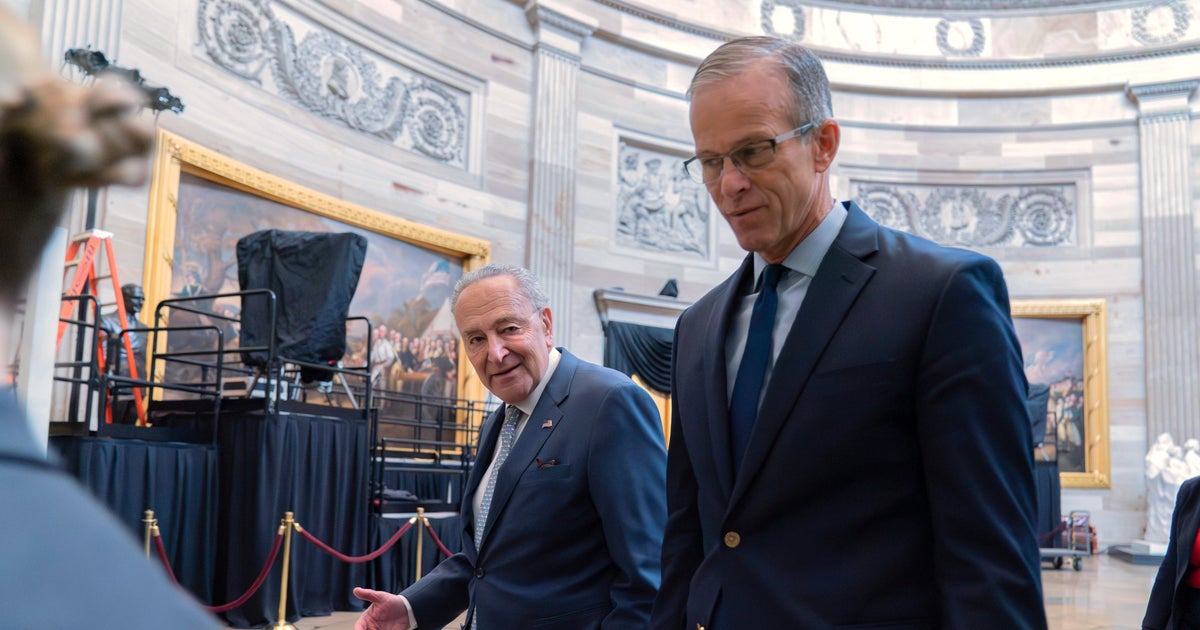
The U.S. Congress faces a deadline to pass legislation by Tuesday to prevent a partial government shutdown. Congress is responsible for funding government agencies before the start of the fiscal year on October 1. If funding lapses, non-essential government work stops. Tensions between Democrats and Republicans over spending often lead to last-minute negotiations. President Trump's actions have intensified these tensions, with Republicans supporting his moves while Democrats struggle to oppose them. Republicans need Democratic votes in the Senate to pass spending bills, giving the minority party leverage in negotiations.
Government shutdowns have occurred 14 times since 1981, with the longest one lasting 35 days in 2018-2019. Shutdowns result in furloughed federal workers and disrupted services. Essential workers continue working without pay. Shutdowns have minimal impact if they last only a few days, but prolonged shutdowns can harm the economy. The 2018-2019 shutdown cost the economy $3 billion. A prolonged shutdown this time could worsen global economic uncertainty due to existing trade wars and conflicts with the Federal Reserve.
Each government department has a plan to determine essential employees during a shutdown. In the 2018-2019 shutdown, around 800,000 federal employees were furloughed. National parks remained open during that shutdown, but some services were limited. The impact of a government shutdown extends beyond federal workers to the broader economy, with potential consequences for financial markets and global economic stability.
In conclusion, the looming government shutdown deadline highlights the ongoing challenges in Congress over funding and spending priorities. The potential consequences of a shutdown extend beyond government agencies to impact federal workers, services, and the economy at large. The need for bipartisan cooperation to pass spending legislation remains crucial to avoid disruptions and economic harm.