Exploring the Portrayal of Black Women in Paul Thomas Anderson's Latest Film: Addressing Issues of Race and Gender
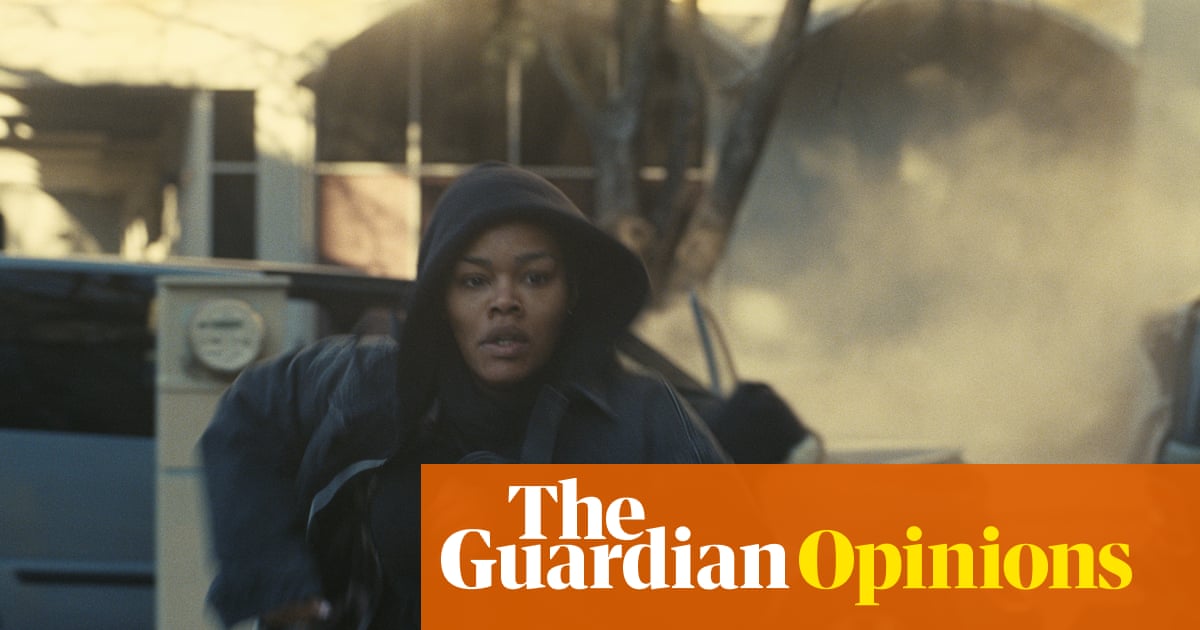
The portrayal of revolutionary Black women in films by white male filmmakers has sparked discussions and questions, especially in the aftermath of Assata Shakur's death. While Paul Thomas Anderson's latest film has received critical acclaim for its action and performances, there are concerns about the depiction of Black women in the movie. The racial dimension introduced by Anderson in the adaptation of the novel "Vineland" raises questions about the representation of Black women characters like Perfidia and Deandra. The film's approach to racial diversity is commendable, but there are still issues to address, particularly in the portrayal of Black women.
In comparison to other adaptations of historical novels, Anderson's film stands out for its inclusion of diverse characters and compelling performances by the actors. However, the treatment of Black female characters like Perfidia raises concerns about the intersection of race and gender in the film. The hyper-sexualization of Perfidia and the use of derogatory language like "Jungle****" reflect a lack of awareness of racist stereotypes and tropes. The fetishized depiction of interracial relationships in the film also raises questions about the portrayal of race and sexuality.
The film's portrayal of interracial relationships and the character dynamics between Black and white characters, like Perfidia and Colonel Lockjaw, highlight problematic representations of race and sexuality. The film's handling of these relationships and the use of derogatory language suggest a lack of sensitivity to the historical context and implications of such portrayals. The film's approach to depicting Black women and interracial relationships falls short of addressing the complexities of race and gender dynamics.
Despite the film's strengths in action and performances, there are significant concerns about the portrayal of Black women and interracial relationships in the film. The film's treatment of Black female characters and the use of derogatory language raise questions about the intersection of race and gender in the narrative. While the film addresses timely issues, it falls short in its depiction of Black women characters and interracial relationships. The need for more nuanced and sensitive portrayals of race and gender in films like these remains a crucial aspect of storytelling in contemporary cinema.