The Sleepwalking Defense: The Tragic Case of Benjamin Elliott
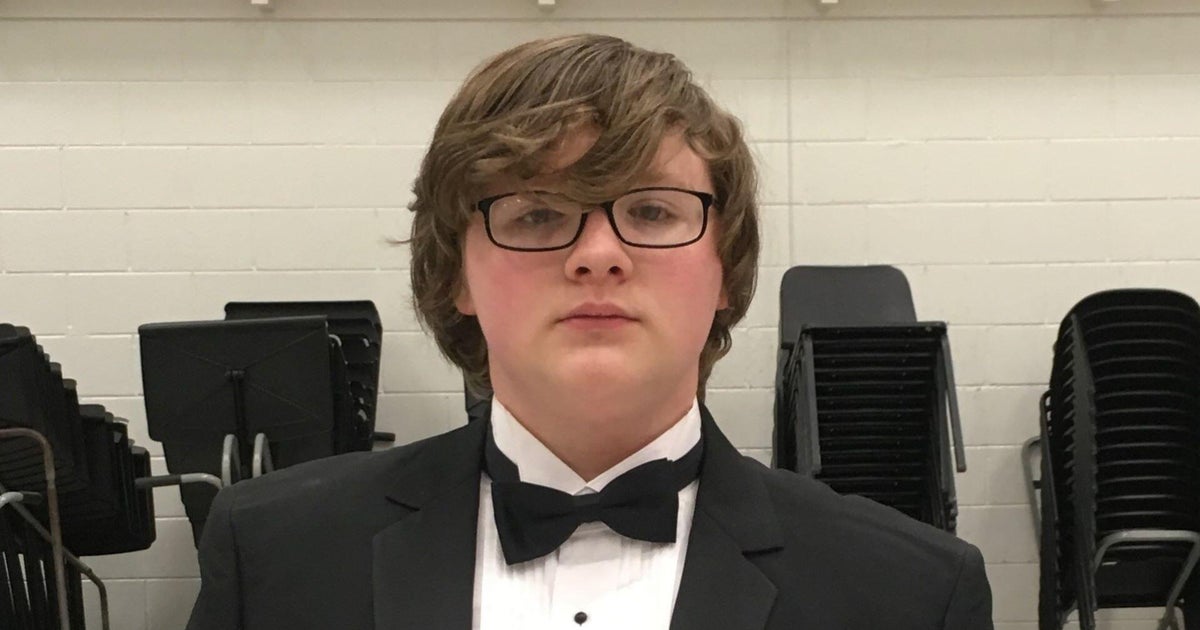
On a fateful morning in September 2021, 17-year-old Benjamin Elliott found himself in an interrogation room at the Harris County Sheriff's Office in Houston, Texas. Detective Freder Muñoz questioned Benjamin about a disturbing incident involving his twin sister, Meghan. Benjamin confessed to stabbing Meghan once with a knife but claimed to have little recollection of the events that transpired. Despite his vague memory, Benjamin described a surreal experience that led to the tragic outcome.
During the police interview, Benjamin recounted waking up in Meghan's room, feeling a sense of panic, and attempting to stop the bleeding with a pillow. He eventually called 911 and admitted to stabbing his sister. The Elliott family was devastated by the news of Meghan's death, with Benjamin's parents, Michael and Kathy, struggling to comprehend the tragic turn of events. The police investigation and subsequent interrogation left the family feeling isolated and desperate for answers.
As the investigation unfolded, Benjamin's parents sought legal counsel to navigate the complex situation. The police employed a common tactic of withholding information about Meghan's death from Benjamin to keep him talking and gauge his emotional response. Detective Muñoz probed Benjamin about his relationship with Meghan, looking for clues that could shed light on the motive behind the stabbing. Benjamin, who expressed love and concern for his sister, appeared cooperative during the interrogation, providing details about the events leading up to the incident.
Benjamin, a high school student with aspirations of studying mechanical engineering, appeared to have a stable home life with no history of mental illness or family issues. His parents, avid campers and outdoor enthusiasts, had a collection of knives and gear, including the knife used in the incident. The Elliotts were blindsided by the tragedy and struggled to come to terms with the loss of Meghan. Benjamin's confession and the physical evidence at the crime scene led to his arrest and subsequent legal proceedings.
As the case unfolded, Benjamin's defense team explored the possibility that he may have been sleepwalking during the incident. They enlisted the expertise of Dr. Jerald Simmons, a sleep disorder specialist, to conduct a series of sleep studies to determine if sleepwalking could explain Benjamin's actions. The defense argued that Benjamin's history of sleepwalking, combined with his rapid entry into slow-wave sleep, supported the theory that he may have been sleepwalking when he stabbed Meghan.
Prosecutors, however, contested the sleepwalking defense, citing inconsistencies in Benjamin's account and the lack of a clear motive for the crime. They brought in their own expert, Dr. Mark Pressman, to challenge the notion that Benjamin was sleepwalking during the incident. The legal battle between the defense and prosecution intensified as both sides presented their arguments and evidence to the court.
As the trial progressed, Benjamin's family grappled with the emotional toll of the legal proceedings and the uncertainty surrounding his fate. The prosecution painted a picture of a deliberate and calculated act, while the defense sought to establish reasonable doubt by highlighting the possibility of sleepwalking. The jury was tasked with weighing the evidence and determining Benjamin's culpability in his sister's death.
The Elliott family's ordeal underscored the complexities of the legal system and the profound impact of a tragic loss on all involved. As the trial reached its conclusion, the fate of Benjamin Elliott hung in the balance, with his family clinging to hope for a just resolution to the heartbreaking saga.