Title: States Challenge Trump Administration's Directive on Gender Ideology Content in Sex Education Materials
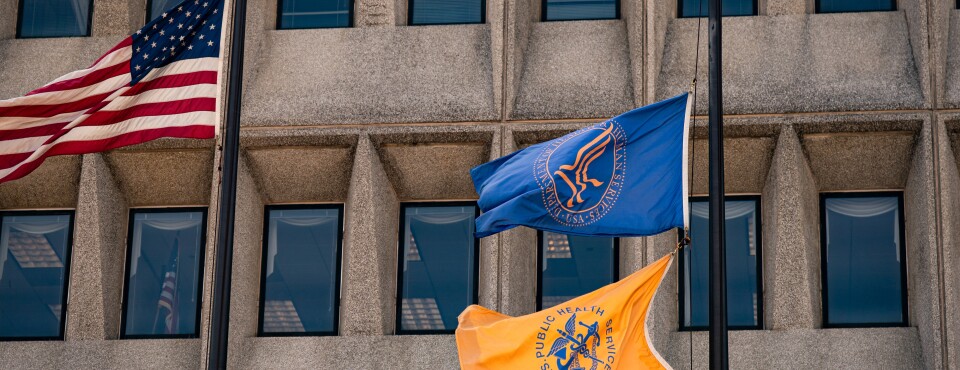
A group of states is seeking to prevent the Trump administration from mandating the removal of "gender ideology content" from sex education materials to maintain federal funding. The states argue that this requirement deviates significantly from the existing federal guidelines for sex education programs, which emphasize the provision of medically accurate and culturally relevant sexual health education to students. Attorneys general from 16 states and Washington, DC, have filed a complaint challenging the Department of Health and Human Services' directive.
The states assert that the HHS's directive poses a threat to the funding received under the federal Personal Responsibility Education Program (PREP) and the Title V Sexual Risk Avoidance Education (SRAE) program. They argue that the removal of "gender ideology content" would undermine the comprehensive and inclusive nature of sex education programs, potentially harming students' access to vital information about sexual health and well-being. The coalition of states is seeking legal intervention to prevent the implementation of this directive.
The attorneys general emphasize the importance of providing students with accurate and inclusive sexual health education that addresses a wide range of topics, including gender identity and sexual orientation. They argue that restricting the content of sex education materials based on ideological considerations could have detrimental effects on students' understanding of their own bodies, relationships, and sexual health. The coalition of states is committed to upholding the principles of comprehensive and evidence-based sex education in their respective jurisdictions.
In conclusion, the coalition of states is taking legal action to challenge the Trump administration's directive to remove "gender ideology content" from sex education materials. They argue that this requirement contradicts established federal guidelines for sex education programs and could jeopardize students' access to essential information about sexual health. The states are advocating for the preservation of comprehensive and inclusive sex education programs that prioritize the well-being and education of all students.