Jimmy Kimmel's Emotional Return: A Reflection on Freedom of Speech and Media Influence
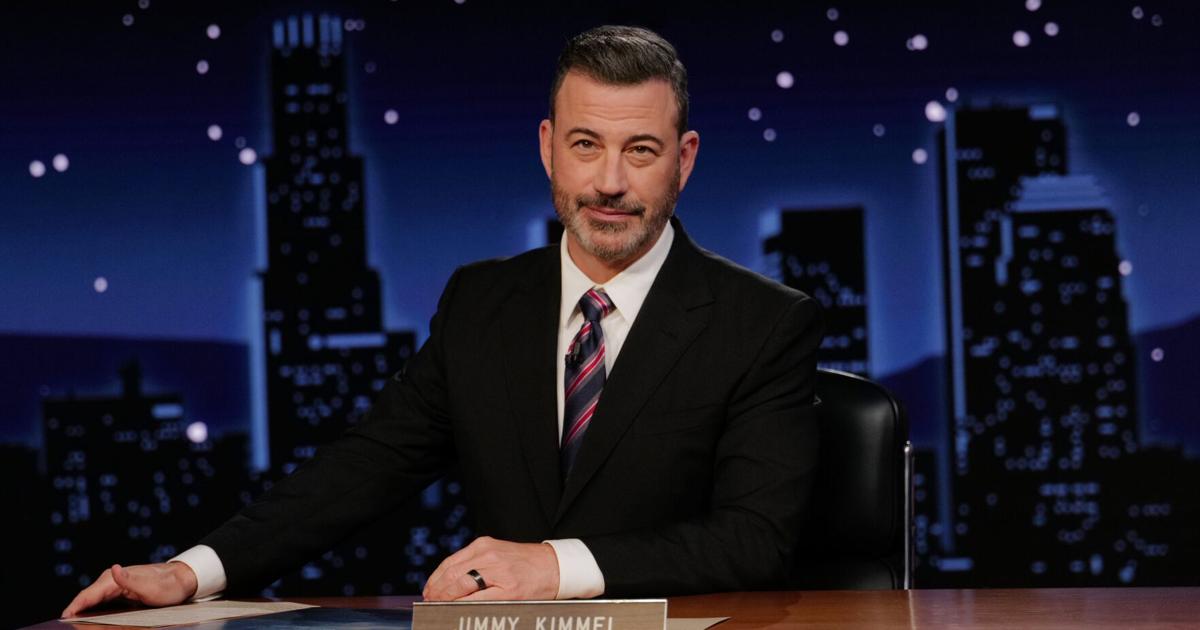
Jimmy Kimmel made an emotional return to his late-night show after a suspension, clarifying that he did not intend to joke about the killing of conservative activist Charlie Kirk. He expressed regret for any misunderstanding caused by his remarks and criticized the ABC affiliates who took his show off the air. Kimmel thanked his supporters and praised Kirk's widow for her act of forgiveness. Despite the backlash, Kimmel did not apologize for his comments and mocked President Trump for trying to cancel him. The suspension sparked a national debate on freedom of speech and government interference in media.
Kimmel's suspension came after controversial comments he made about the aftermath of Kirk's killing, which led to criticism and calls for action from the FCC. Trump-appointed FCC Chairman Brendan Carr accused Kimmel of misleading the public with his remarks about the suspect's motives. The backlash against Kimmel's suspension included criticism from celebrities and concerns about freedom of speech. Some consumers boycotted ABC's parent company, Disney, in protest.
Trump had supported Kimmel's suspension and criticized his return, questioning ABC's decision. Actor Robert De Niro appeared on Kimmel's show, impersonating FCC Chairman Carr and joking about the situation. Kimmel received a warm welcome from the audience upon his return, with many moved by his discussion of forgiveness and grace. The incident highlighted the ongoing tension between media personalities and government influence in the industry.
Despite the controversy, Kimmel's show resumed with singer-songwriter Sarah McLachlan as the musical guest, who had initially pulled out of a performance in protest. Actor Glen Powell also appeared on the show as a guest. Kimmel's return marked a significant moment in the ongoing debate over freedom of speech and the role of government in regulating media content.