Controversy in the Himalayas: Arc'teryx's Fireworks Display in Tibet Sparks Backlash and Conservation Concerns
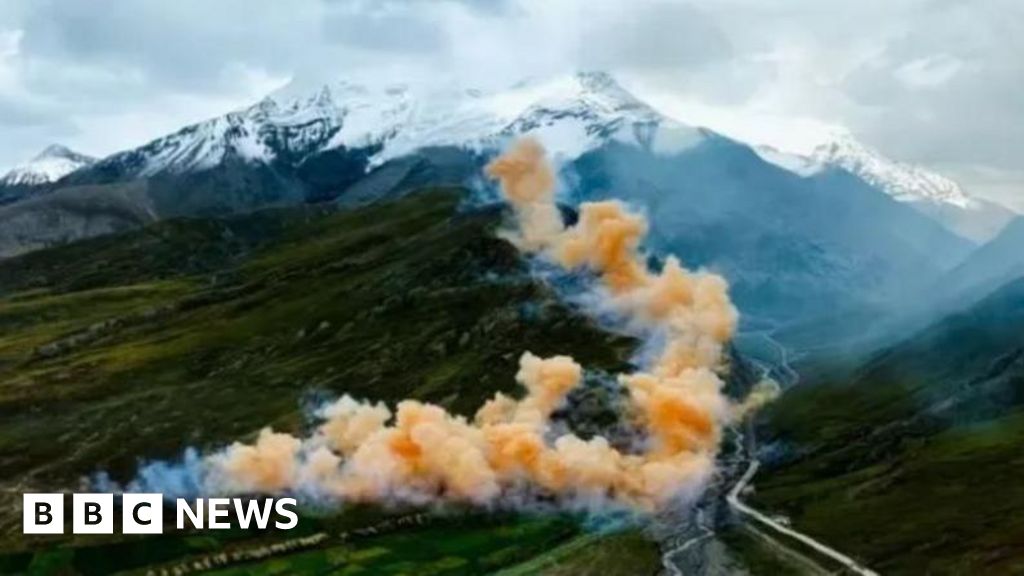
Chinese authorities are currently investigating the outdoor clothing brand Arc'teryx following a controversial fireworks display in Tibet's Himalayan region. The display, organized by Chinese artist Cai Guo Qiang as part of a promotional campaign, faced backlash for its potential impact on the delicate ecosystem. Despite using biodegradable materials, the event drew criticism online, with many questioning the brand's conservation-focused image and calling for a boycott.
Arc'teryx, a popular Canadian firm known for its high-end sportswear and mountaineering gear, issued an apology, acknowledging that the display was not in line with its values. The company plans to assess the project's impact with the help of an external agency. The spectacle, named Rising Dragon, aimed to raise awareness of mountain culture and was set at over 5,000 meters in Tibet's Shigatse region, a significant area for Himalayan peaks like Everest.
The mountains in Tibet hold sacred significance for the local population, many of whom follow Buddhism. The region has been under strict Chinese control since the 1950s, prompting questions about how the fireworks display was approved. Critics expressed concerns about the potential disruption to the fragile ecosystem and wildlife due to the explosions, colors, and smoke from the fireworks.
In response to the public outcry, Arc'teryx emphasized the need for a more professional evaluation of art expression and a greater respect for nature. The brand's statement acknowledged the need for humility and responsibility in light of the environmental impact of such projects. Artist Cai Guo Qiang, known for his gunpowder paintings and pyrotechnic displays, also apologized for his involvement and pledged to assist in the area's recovery efforts.
As the investigation continues, the controversy surrounding the fireworks display serves as a reminder of the importance of considering environmental implications in artistic endeavors. The incident has sparked a broader conversation about the intersection of art, conservation, and cultural sensitivity in sensitive natural environments like the Himalayan region of Tibet.