Understanding the Implications of Designating Antifa as a 'Major Terrorist Organization
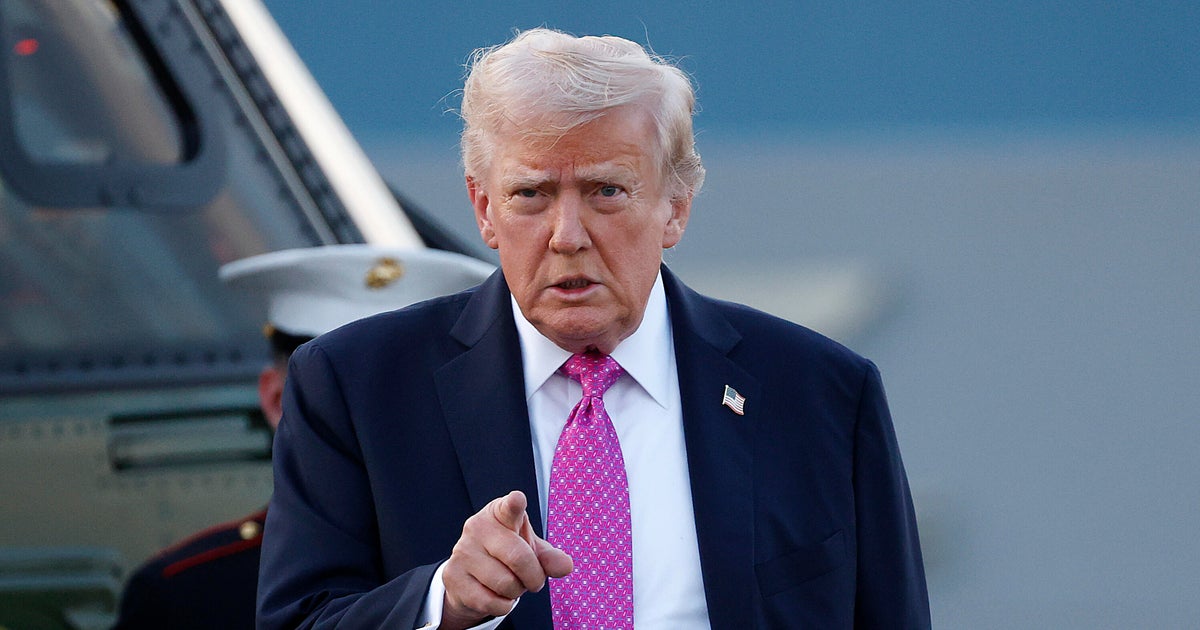
President Trump recently announced on social media that he is designating antifa as a "major terrorist organization." However, the implications of this action are uncertain due to antifa's decentralized structure and the president's lack of authority to label domestic terrorist organizations. The announcement follows the assassination of conservative activist Charlie Kirk, which the president attributed to "radical left-wing political violence."
Antifa, short for "anti-fascist," traces its roots back to anti-racist movements opposing groups like the Ku Klux Klan and neo-Nazis. The movement gained prominence after violent clashes in Charlottesville, Virginia, in 2017. Antifa is described as decentralized, comprising independent groups and individuals with anarchist, socialist, and communist beliefs.
While the FBI has warned about violence linked to antifa, it does not investigate ideology but focuses on criminal activities. A report from the Center for Strategic and International Studies highlighted a rise in violent actions by antifa extremists, anarchists, and far-left groups, potentially in response to increased far-right activity.
President Trump previously announced plans to designate antifa as a major terrorist organization in 2020 but faced legal limitations. The U.S. government does not have a mechanism to label domestic groups as terrorist organizations due to First Amendment concerns. Designating antifa as a foreign terrorist organization could enable economic sanctions, but challenges exist in portraying a domestic group as foreign.
While domestic terrorism is not a chargeable offense under federal law, federal statutes can be applied to prosecute individuals involved in violent acts for ideological reasons. Cases like Dylann Roof's conviction for hate crimes and Payton Gendron's federal charges for a hate crime and terrorism demonstrate legal avenues to address domestic terrorism. Many states also have laws criminalizing domestic terrorism and providing support for terrorist acts.