Government Pressure on Media Content: The Case of Jimmy Kimmel and FCC's Role
ABC recently made the decision to pull late-night host Jimmy Kimmel from the air, sparking discussions about government censorship. While some argue that this was a private company's action against an employee, there are indications of government pressure in the situation. The Federal Communications Commission (FCC) chair, Brendan Carr, hinted at the agency's role in granting broadcast licenses and referenced Kimmel's monologue, suggesting consequences for such content. Following these remarks, Nexstar Media Group, seeking FCC approval for a merger, announced the discontinuation of Kimmel's show, leading ABC to follow suit.
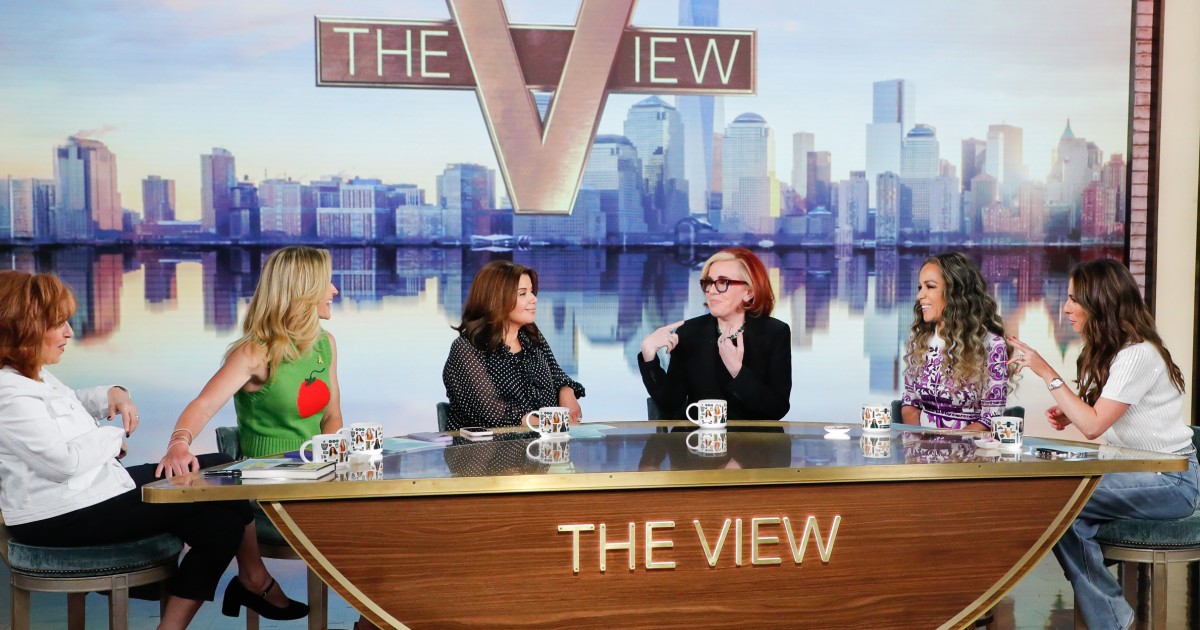
Despite Kimmel being an employee of a private corporation, the involvement of government pressure cannot be dismissed in this scenario. Carr's statements on conservative platforms and his remarks about potential further actions indicate a broader context to the situation. The FCC chair's comments on Sean Hannity's show and his questioning of the status of "The View" as a news program raise concerns about potential future targets and implications for media content.
Carr's recent statements on a far-right podcast and his remarks about evaluating the status of "The View" as a news program suggest a broader scrutiny of media content. The FCC chair's comments have raised questions about the potential impact on shows critical of the Trump administration, such as "The View." The implications of these developments remain uncertain, with possibilities ranging from increased regulatory scrutiny to potential consequences for media programs that are deemed unfavorable by the government.
The recent actions and statements by the FCC chair have raised concerns about government influence on media content and the potential consequences for shows critical of the administration. The situation surrounding Jimmy Kimmel's show and the broader implications for media programs like "The View" highlight the complex interplay between government pressure and media freedom. As discussions continue about the role of regulatory bodies in shaping media content, the future of shows that challenge political narratives remains uncertain.