European Commission Proposes New Sanctions to Weaken Russia's War Economy and Accelerate Energy Transition
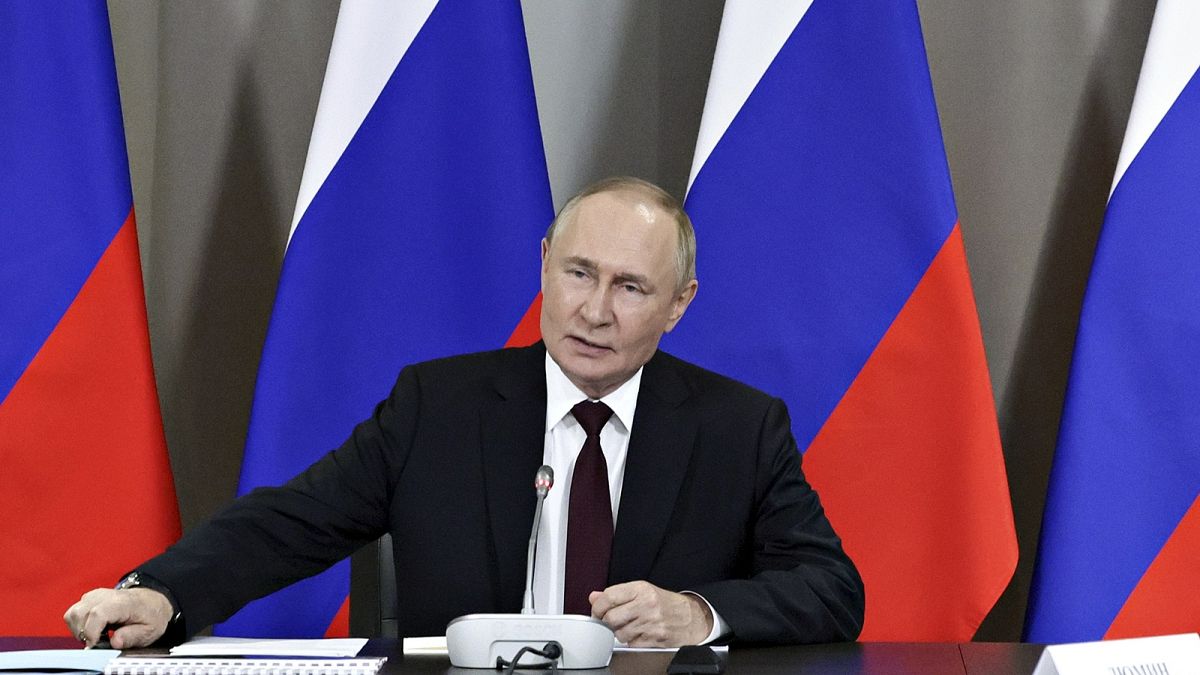
The European Commission has introduced a fresh set of sanctions aimed at weakening Russia's capacity to wage war on Ukraine and compel Vladimir Putin to engage in negotiations. The proposal, put forth by President Ursula von der Leyen, focuses on targeting banks, 118 vessels from the "shadow fleet," and cryptocurrency platforms used by Moscow for financial transactions. If approved by member states, this would be the 19th round of sanctions since February 2022, with discussions already underway among ambassadors. Von der Leyen emphasized the significant impact of the sanctions on the Russian economy, particularly highlighting the plan to accelerate the phasing out of EU imports of Russian fossil fuels, which amounted to €21.9 billion last year.
The proposal includes an expedited cessation of EU imports of Russian fossil fuels, aiming to eliminate all such purchases by January 1, 2027, a year earlier than previously planned. This move comes in response to calls from US President Donald Trump to sever energy ties with Moscow immediately. Trump's public statements have urged European nations to take decisive action against Russia, emphasizing the need to weaken their negotiating position by halting oil purchases. In light of these developments, the Commission is targeting refineries, oil traders, and petrochemical companies that continue to buy Russian oil in violation of Western sanctions, with the goal of reducing Russia's revenue from fossil fuels.
Despite these measures, the legal exemption allowing Hungary and Slovakia to purchase Russian crude through the Druzhba pipeline remains unaddressed. This exemption, in place since mid-2022, has not been revisited, even as Hungary and Slovakia, known critics of sanctions, find themselves under pressure to acknowledge their reliance on Moscow. The Commission's proposal underscores the need to curtail Russia's war economy by cutting off revenue streams from fossil fuels, signaling a firm stance against supporting Russia's military actions in Ukraine.
In conclusion, the European Commission's latest sanctions package represents a strategic effort to undermine Russia's economic capabilities and compel Putin to engage in diplomatic negotiations. By targeting key sectors like banking, maritime vessels, and cryptocurrency platforms, the Commission aims to disrupt Moscow's financial operations. The accelerated phase-out of EU imports of Russian fossil fuels and the focus on ending purchases of Russian LNG by 2027 demonstrate a commitment to reducing Russia's revenue from energy exports. As geopolitical tensions persist, the Commission's proposal reflects a coordinated effort to pressure Russia economically and advance diplomatic solutions to the conflict in Ukraine.