Government Censorship or Free Speech? The Controversy Surrounding Jimmy Kimmel's Show Removal
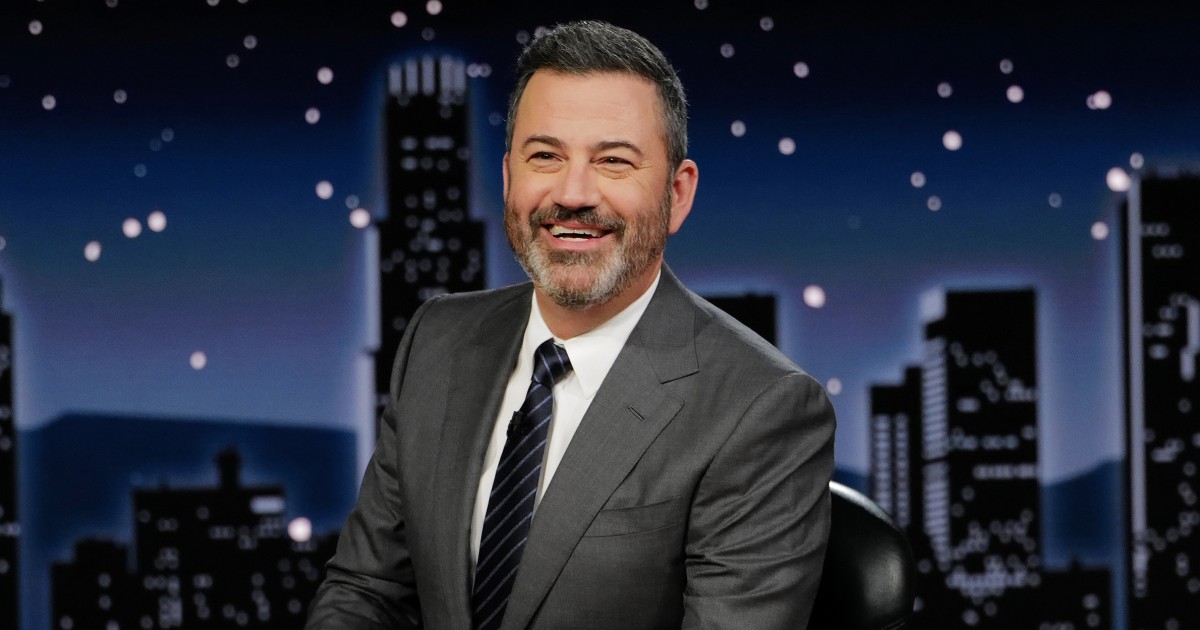
Late-night host Jimmy Kimmel recently faced backlash for his comments on the shooting death of conservative activist Charlie Kirk. The controversy escalated when Donald Trump criticized Kimmel and hinted at his show being taken off the air. Federal Communications Commission Chair Brendan Carr also weighed in, suggesting that the FCC played a role in the decision to remove Kimmel's show from the airwaves. This move by the FCC and Nexstar Media Group, a major TV station owner, raised concerns about government censorship and sparked a debate on free speech.
The situation unfolded as Carr appeared on a far-right podcast and hinted at the FCC's involvement in granting broadcast licenses, specifically referencing Kimmel's monologue. Shortly after, Nexstar Media Group announced that it would no longer air "Jimmy Kimmel Live!" on its stations. The timing of these events, along with Carr's subsequent appearance on Sean Hannity's Fox News program, raised questions about the government's influence on media content and the potential implications for freedom of expression.
Critics, including FCC member Anna Gomez and Democratic leaders like Gov. JB Pritzker and Sen. Chuck Schumer, condemned the actions taken against Kimmel as an attack on free speech and democracy. They called for a united effort to push back against government interference in media and protect the rights of comedians and other public figures to express their views without fear of censorship. The controversy surrounding Kimmel's show removal highlights the ongoing debate over the boundaries of free speech and the role of government in regulating media content.