Shift in FBI Priorities: Impact on Domestic Terrorism Investigations and National Security
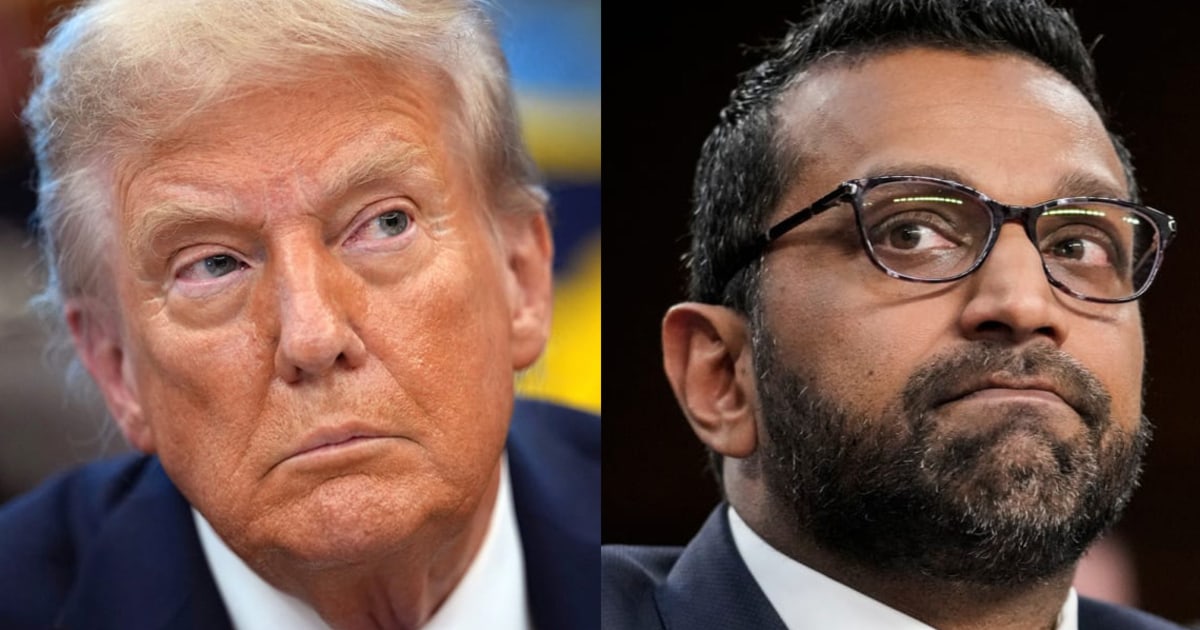
President Donald Trump's administration has shifted the focus of the FBI towards immigration enforcement, diverting a significant number of agents from other critical areas such as domestic terrorism investigations. FBI Director Kash Patel has directed agents to assist in rounding up undocumented immigrants, a departure from the FBI's usual mission. This shift has led to a reduction in resources dedicated to combating domestic terrorism, including investigations into violent predators targeting children online.
The reassignment of FBI agents to immigration enforcement has had a tangible impact on the Bureau's ability to address domestic terrorism threats. Agents who were previously working on investigations related to violent extremist groups have been reassigned to immigration-related tasks, leaving critical investigations on hold. This shift in priorities has raised concerns among current and former FBI officials about the Bureau's ability to effectively combat domestic terrorism.
The de-emphasis on domestic terrorism investigations has left the FBI vulnerable to extremist threats, according to experts familiar with the matter. With fewer resources dedicated to monitoring extremist movements and recruiting sources, the Bureau may be ill-equipped to prevent potential acts of violence. The reallocation of resources has also affected other key FBI missions, such as public corruption, complex frauds, and corporate misconduct, which are no longer receiving the same level of attention.
Despite the shift in priorities under Patel's leadership, the FBI maintains that its core mission of protecting national security and combating terrorism remains unchanged. Patel has emphasized the importance of addressing violent crime and safeguarding America, while acknowledging the need to adapt to evolving threats. Special agents in charge have been given the authority to allocate resources based on the specific needs of their regions, prioritizing threats and personnel assignments accordingly.
In conclusion, the Trump administration's focus on immigration enforcement has led to a significant reallocation of FBI resources away from critical areas such as domestic terrorism investigations. The shift in priorities has raised concerns about the Bureau's ability to effectively combat extremist threats and other key criminal activities. Despite reassurances from FBI leadership, the impact of these changes on national security and public safety remains a topic of ongoing debate.