Controversy Surrounding Attorney General Pam Bondi's Statements on Free Speech Rights
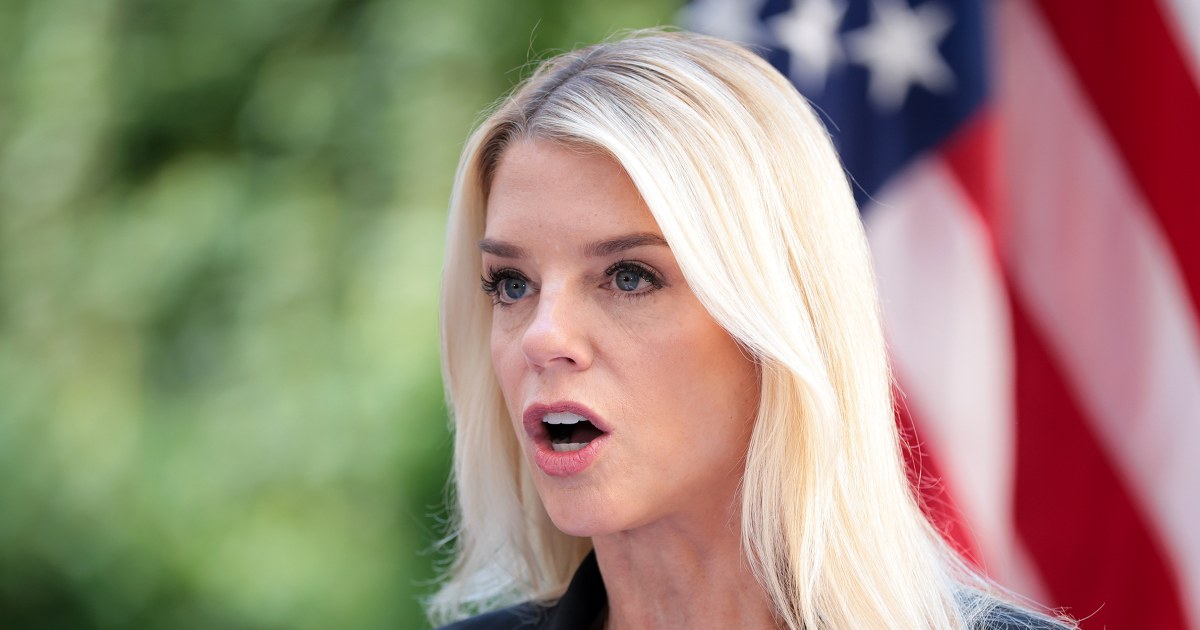
The recent statements made by Attorney General Pam Bondi have sparked controversy and criticism. Bondi expressed her intention to target protesters engaging in hate speech and investigate businesses that refused to print memorial posters for conservative activist Charlie Kirk. Her remarks raised concerns about potential violations of free speech rights protected by the First Amendment. Despite attempts to clarify her stance on hate speech, Bondi faced backlash from conservative figures, who emphasized the importance of upholding free speech principles.
The backlash against Bondi's comments intensified on social media, with prominent conservative voices questioning her understanding of constitutional protections. Criticism mounted as Bondi's remarks seemed to align with a broader campaign by the Trump administration to retaliate against those who criticized Kirk or celebrated his death. The administration's call for retribution against dissenting voices has led to repercussions for individuals across various professions, highlighting the divisive nature of current political discourse.
In response to the controversy, Bondi hinted at potential legal actions against businesses that refused service based on political reasons. Her statements raised concerns about potential conflicts with Supreme Court rulings and the protection of individual rights. While Bondi's remarks were initially interpreted as signaling a broader crackdown on noncompliant businesses, a Justice Department official clarified that the focus was primarily on addressing specific incidents, such as the Office Depot case.
The debate surrounding hate speech, free speech, and the limits of government intervention in regulating speech has become a contentious issue in the current political climate. Bondi's comments underscore the challenges of balancing free expression with the need to address harmful speech. As the discussion continues, it remains essential to uphold constitutional rights while promoting civil discourse and respect for differing viewpoints.