Title: "Trump's Divisive Rhetoric and Authoritarian Tendencies: A Closer Look at His Response to Charlie Kirk's Tragic Shooting
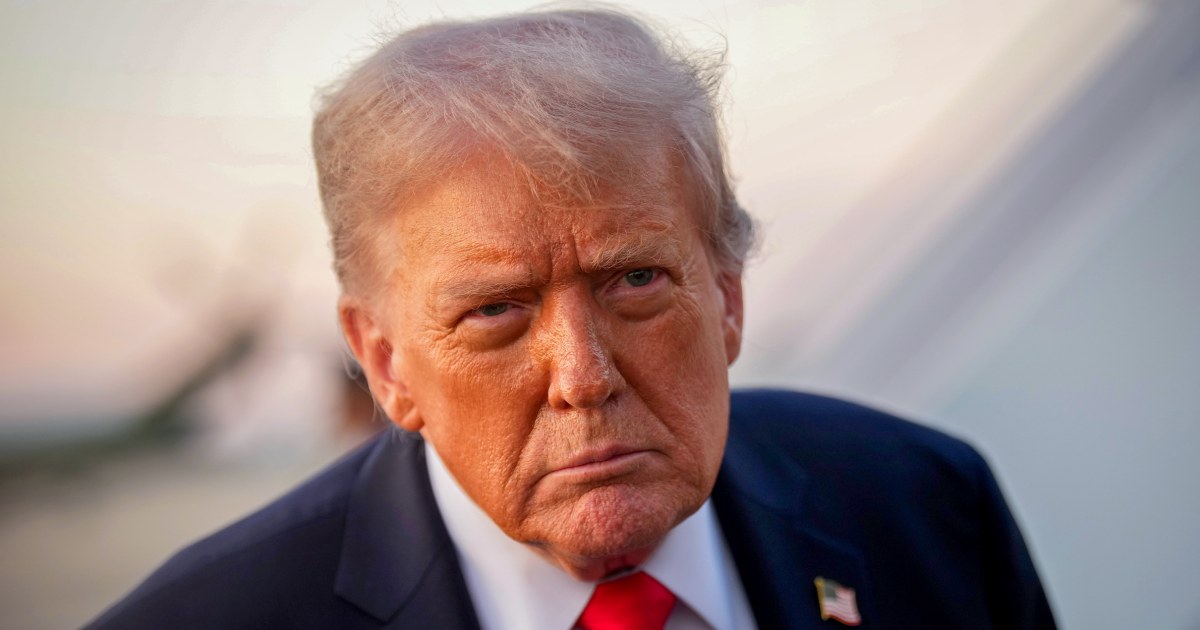
Following the tragic shooting incident involving conservative activist Charlie Kirk, President Donald Trump missed an opportunity to deliver a unifying message and instead made divisive remarks blaming the "radical left" for the violence. Trump vowed to pursue those responsible for the atrocity and other political violence, hinting at investigations into his political opponents. His recent comments have highlighted his tendency to polarize rather than unite the country, portraying those who disagree with him as enemies deserving payback.
Trump's rhetoric has raised concerns about his authoritarian agenda, with suggestions that federal agencies may be directed to investigate his perceived political foes. His recent statements have underscored his divisive approach to governance, focusing on his base of supporters while demonizing those who oppose him. Trump's remarks on far-right violence and the electoral system have further fueled tensions and raised questions about his commitment to democratic principles.
The president's response to Kirk's death has been criticized as a failure of leadership, as he continues to exacerbate divisions and promote a confrontational approach to politics. Trump's reluctance to promote unity and his tendency to vilify his opponents have raised concerns about the future of political discourse in the country. The ongoing polarization under his administration underscores the challenges of fostering national unity and healing in a deeply divided society.