Suppressing Dissent: The Intimidation and Censorship Surrounding Charlie Kirk's Legacy
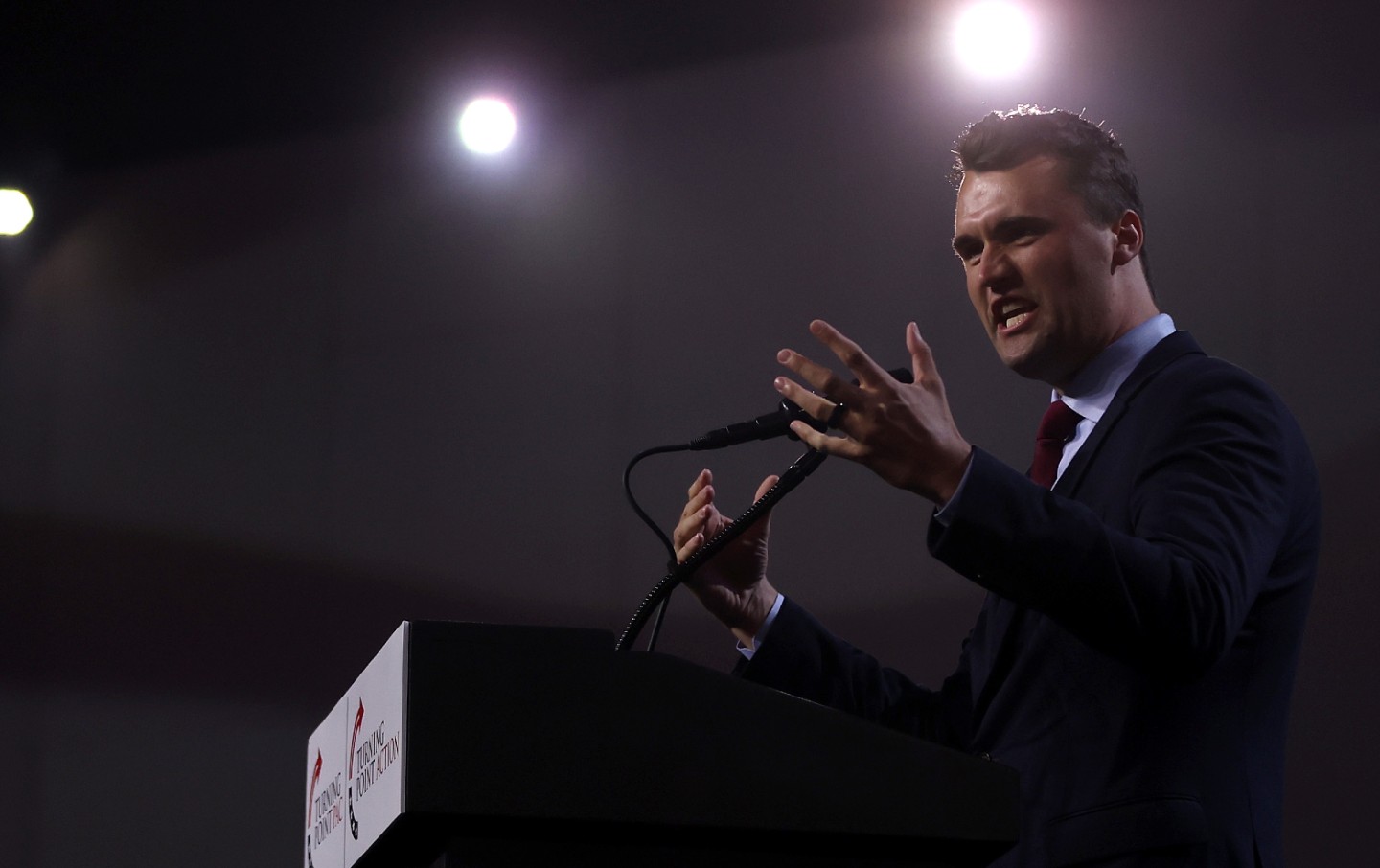
Prominent figures in the Republican party are aggressively targeting individuals who are accurately describing the late Charlie Kirk and his movement, going as far as trying to get them fired. Despite Kirk being praised for his advocacy of free speech and willingness to engage in debates, his supporters are attempting to silence those who are highlighting his racist, homophobic, and anti-immigrant views. The fallout from Kirk's death has led to several individuals losing their jobs or facing suspension for their social media posts, even if they did not celebrate Kirk's murder. The situation has escalated to the point where even service members and airline employees are being investigated for their online comments related to Kirk.
The backlash against those who have criticized Kirk's beliefs has taken the form of coordinated harassment campaigns, with individuals receiving threats and facing online abuse for speaking out against Kirk. The attacks have extended to journalists, educators, and employees in various sectors, leading to terminations and suspensions. The efforts to suppress dissent and criticism of Kirk's views are indicative of a broader agenda aimed at consolidating power and stifling opposing voices within the political landscape. The aftermath of Kirk's death has been marked by a wave of intimidation and censorship, with individuals facing repercussions for expressing their opinions on social media.
The response to Kirk's death underscores the selective application of free speech principles by certain right-wing factions, who prioritize their own agenda over genuine dialogue and debate. The exploitation of Kirk's tragic death to further political objectives and target dissenters reflects a troubling trend of using divisive rhetoric and tactics to advance ideological goals. As the fallout from Kirk's passing continues to unfold, it is evident that the repercussions of his legacy extend beyond his own beliefs, shaping the broader discourse around free speech and dissent in contemporary society. The attempts to silence critics and suppress opposing viewpoints serve as a stark reminder of the challenges facing those who seek to engage in open and honest dialogue in an increasingly polarized political environment.