Potential Impact of Health Secretary's Policies on Vaccine Production and VICP Reform
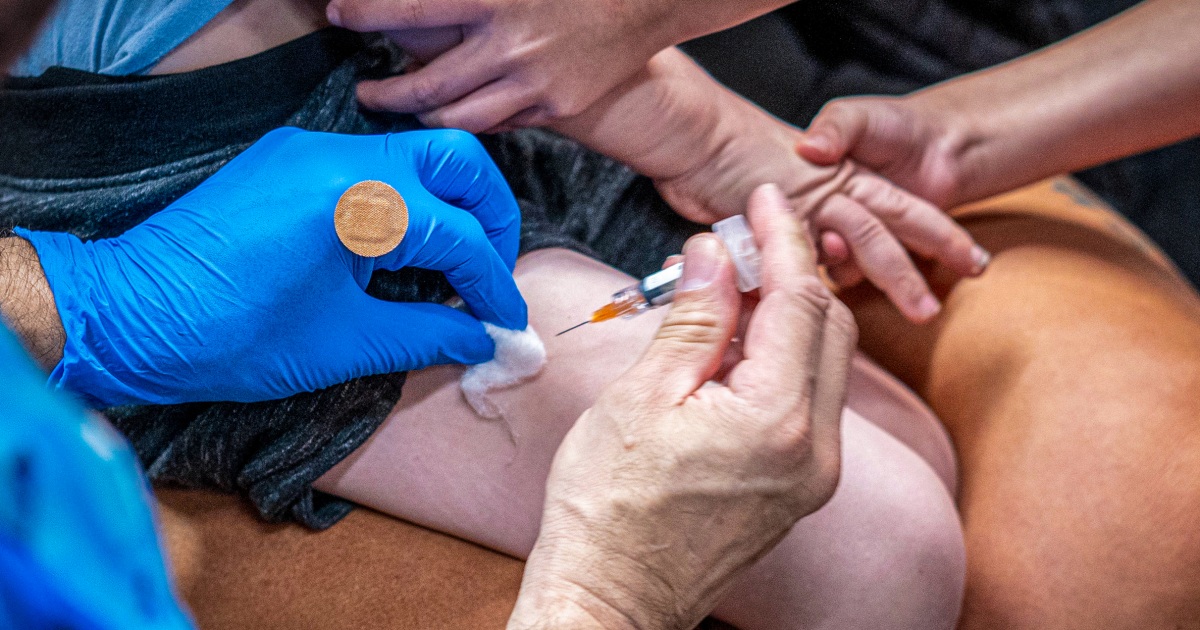
The Health Secretary, Robert F. Kennedy Jr., has made assurances that he will not restrict access to vaccines. However, experts warn that his actions could potentially impact vaccine production. In the past, the anti-vaccine movement led to lawsuits that caused many vaccine manufacturers to cease production, resulting in shortages. Congress intervened by establishing the National Vaccine Injury Compensation Program (VICP) to protect vaccine makers from liability and ensure a stable vaccine supply.
Kennedy has been critical of the VICP, labeling it as corrupt and vowing to reform it. The program, funded by a surcharge on vaccines, has awarded billions of dollars to plaintiffs since its inception. Despite its benefits, the VICP has limitations, such as a backlog of cases and a three-year time limit for claims. Efforts to enhance the program's resources through legislation have not been successful.
Kennedy's appointment of Andrew Downing, an attorney with experience in vaccine litigation, to his staff has raised concerns about potential changes to the VICP. Experts fear that Kennedy may seek to expand the program to include conditions like autism, which could lead to a surge in claims and impact vaccine production. If vaccines are removed from the CDC's recommendations, individuals claiming vaccine-related injuries would have to pursue legal action outside the VICP, potentially deterring drug companies from producing vaccines.
The power to update or eliminate the VICP lies with Congress, but the health secretary plays a significant role in shaping the program. Kennedy's actions regarding the VICP could have far-reaching consequences for vaccine production and public health.